
Biùtiful Cauntri
2008
No user ratings available yet
Representation score: 8.0 out of 10
Representation Score
Fair
2000
Director
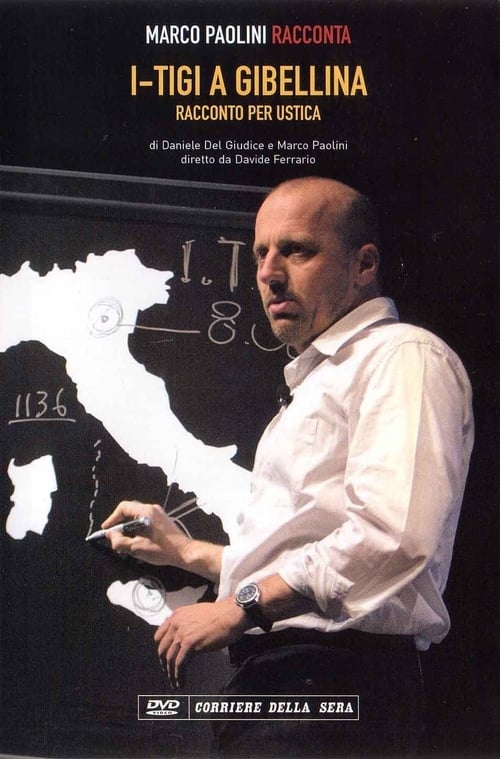
Davide Ferrario
Runtime
150 minutes
Average Rating
No ratings yetNew Showbiz Analysis
Davide Ferrario’s documentary is an intellectual meditation on Sicilian identity, weaving together the physical rebuilding of Gibellina with the political trauma of the Ustica massacre. It prioritizes the deconstruction of historical narratives over individual identity clichés, focusing on how systemic trauma shapes a community. The film excels in its cultural critique, using the complexities of state power and organized crime to challenge traditional institutional history. However, it lacks explicit representation regarding LGBTQ+ identities or disability, focusing instead on the socio-political landscape and civic memory.
Category Breakdown
The documentary focuses on historical political events and urban reconstruction in Sicily. It does not include any LGBTQ+ character arcs or non-cisgender identities.
The film likely addresses the roles of women in post-disaster environments. However, it does not challenge traditional gender hierarchies.
Set in Sicily, the film explores Mediterranean identity. It uses the local inhabitants to examine regional and ethnic nuances within a broader European context.
The film offers high thematic complexity by investigating the Ustica massacre. It challenges the integrity of Western institutions and state authority through a lens of systemic complexity.
There is no documented evidence regarding the portrayal of physical or neurodivergent disabilities in this documentary.
Present on Screen
Limited or Absent
2008

2017

2020
2013
2020
2023

2023
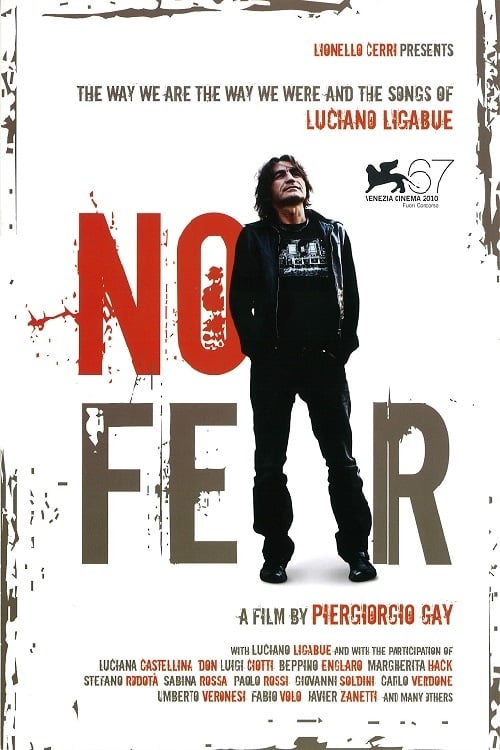
2010
No reviews yet. Be the first to share your thoughts on this movie!
Use the rating form above to leave a star rating and optional review.