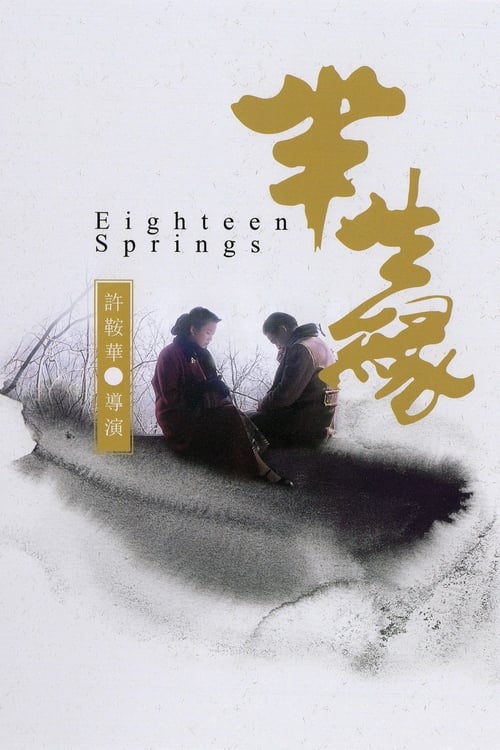
Eighteen Springs
1997
No user ratings available yet
Representation score: 5.1 out of 10
Representation Score
Good
2005
Director
Stanley Kwan Kam-Pang
Runtime
106 minutes
Average Rating
No ratings yetNew Showbiz Analysis
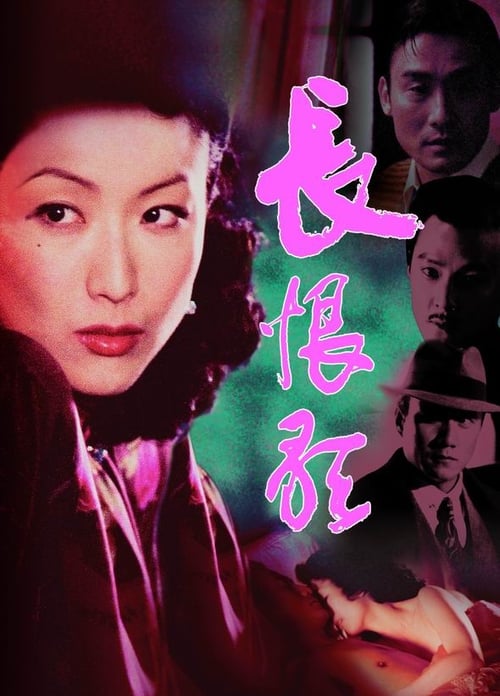
Everlasting Regret is a sophisticated period drama centered around a woman's experiences in 1930s Shanghai. By focusing on Qiyao's personal journey and eventual disappearance, the film moves away from a monolithic historical account toward a nuanced, character-driven exploration of existence. The film excels at providing a rich, non-Western perspective of 1930s urban Chinese life. It uses the setting to explore themes of transience and identity, effectively challenging traditional social structures through its focus on character interiority. However, the narrative's approach to LGBTQ+ representation remains somewhat vague. While the themes suggest engagement with non-traditional identities, explicit depictions are not clearly defined.
Category Breakdown
The film hints at exploring non-traditional romantic relationships during a restrictive historical period. While intimate details are not shown, themes of loneliness suggest alternative romantic setups.
Qiyao serves as the central figure, playing a significant role in driving the story. Her personal growth challenges the typical male-dominated political narratives.
The story immerses viewers deeply in 1930s Shanghai, focusing on a non-Western perspective. It avoids a Western viewpoint by emphasizing the internal rhythms of Chinese urban life.
The film explores changing views of existence through the shifting social dynamics of history. It uses the era's glamour to critique rigid social hierarchies through a subjective, atmospheric lens.
There is no indication of the depiction of physical or neurodivergent disabilities in the narrative.
Present on Screen
Limited or Absent
Official Synopsis
A person's life is destined to be shorter than that of a city. Having spent her whole life in Shanghai, Qiyao has her moments of prosperity and her fair share of loneliness. She finally fades and disappears but Shanghai remains a metropolitan city. Shanghai in the 1930s is glamorous and seductive.
1997
1986
1991
2006
2001
1932
1997
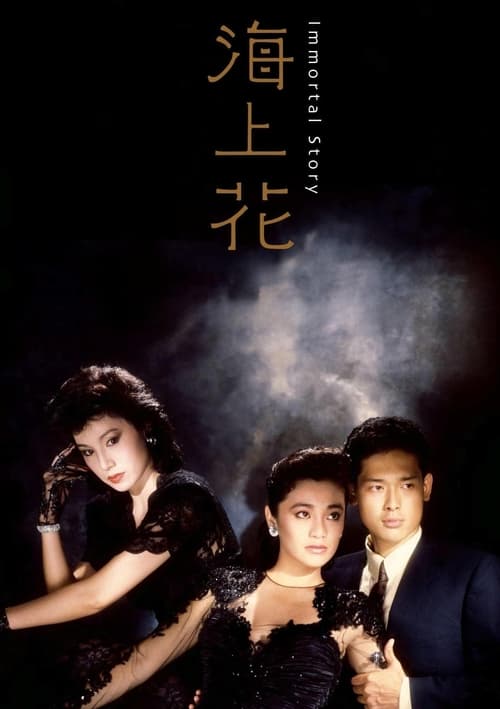
1986
No reviews yet. Be the first to share your thoughts on this movie!
Use the rating form above to leave a star rating and optional review.