My Brother's Wedding
1991
No user ratings available yet
Representation score: 4.0 out of 10
Representation Score
Good
1983
Director
Spike Lee
Runtime
60 minutes
Average Rating
No ratings yetNew Showbiz Analysis
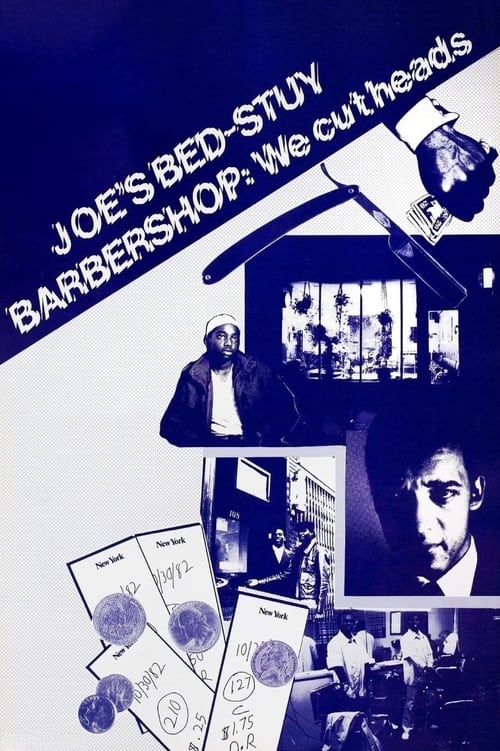
Spike Lee’s work serves as a foundational disruption of mainstream cinematic norms by centering Black urban narratives. The film succeeds by transforming a local barbershop into a vital cultural hub, granting high ability to act to its Black characters. However, the film's focus on a male-dominated social enclave limits its breadth. The lack of representation for LGBTQ+ identities and feminine roles keeps the diversity score moderated despite its cultural strengths. Ultimately, the film is a powerful critique of predatory capitalism and a celebration of community cohesion, prioritizing local identity over Western institutional norms.
Category Breakdown
The film does not explicitly depict LGBTQ+ identities or relationships outside of traditional heterosexual norms. It focuses on the social dynamics of a traditionally masculine environment.
The narrative explores the specific social rituals of Black masculinity in an urban setting. It does not actively challenge traditional hierarchies or elevate feminine roles.
The film features a predominantly Black cast and sets the story in Bedford-Stuyvesant. This centers Black characters and disrupts historical Hollywood tendencies toward Anglo-centricity.
The barbershop serves as a vital site of collective wisdom and social ritual. The story critiques exploitative economic systems through the predatory offers of Mr. Lovejoy.
There is no prominent focus on visible or invisible disabilities. The narrative prioritizes socioeconomic and cultural identity over neurodivergent or physical perspectives.
Present on Screen
Limited or Absent
Official Synopsis
Zack Homer takes over managing the barbershop after Joe is killed for trying to rip off his "investor", Mr. Lovejoy. All Zack wants to do is run a traditional barbershop giving traditional haircuts, but modern styles have passed him by and business is slow. One evening, Mr. Lovejoy shows up to offer Zack the same deal he gave to Joe. It could turn his business around, but what will he have to give in return?
1991

2016
2009
1992
1980

1978
1984
1986
No reviews yet. Be the first to share your thoughts on this movie!
Use the rating form above to leave a star rating and optional review.