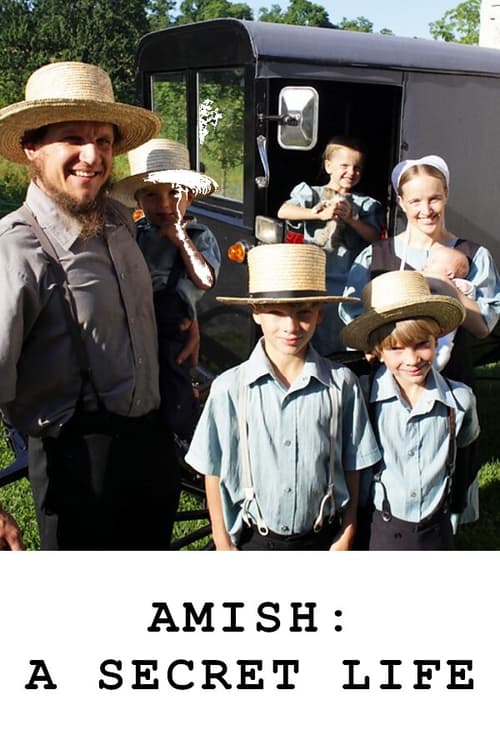
Amish: A Secret Life
2012
No user ratings available yet
Representation score: 2.2 out of 10
Representation Score
Good
2002
Director
Lucy Walker
Runtime
77 minutes
Average Rating
No ratings yetNew Showbiz Analysis
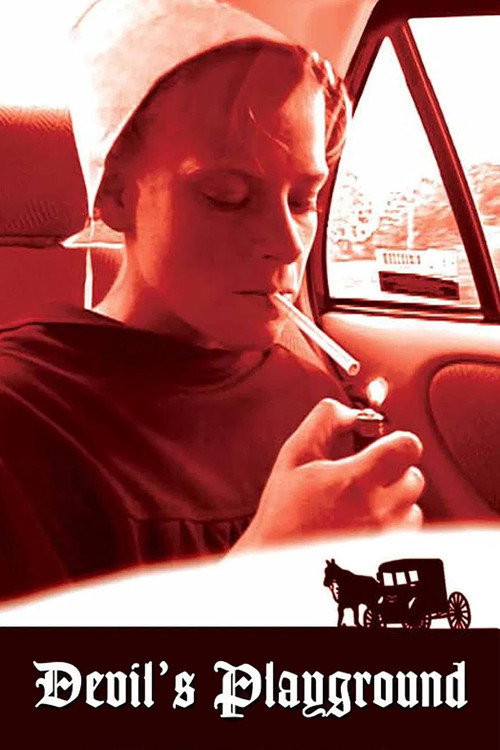
Lucy Walker’s documentary serves as a specialized ethnographic study of the Amish community. It prioritizes the deconstruction of religious institutions and the search for individual identity over broad demographic variety. The film succeeds in challenging the idea of the Amish as a monolith by highlighting the internal friction between tradition and modern secularism. It provides a nuanced look at how youth navigate systemic constraints. However, the narrow focus on a homogeneous religious group results in low scores for racial and LGBTQ+ representation. The narrative is built around cultural and religious distinctions rather than multi-ethnic or queer visibility.
Category Breakdown
The film focuses on the cultural transition of Amish youth during Rumspringa and does not include explicit LGBTQ+ identities or non-traditional gender expressions central to the character arcs.
The documentary provides a balanced view of male and female youth navigating communal structures. It highlights how gendered expectations shape their choices during this period of autonomy.
As a study of a culturally homogeneous religious group, the film focuses on a demographic traditionally lacking racial diversity. The narrative centers on internal religious distinctions rather than multi-ethnic casts.
The film excels at exploring subjective morality and deconstructing religious authority. It presents the tension between individual truth and community dogma, offering a sophisticated view of personal ability to act.
The film does not center on specific disability-driven narratives. However, it treats the psychological and emotional struggles of youth navigating high-pressure social transitions with dignity and respect.
Present on Screen
Limited or Absent
Official Synopsis
The Devil's Playground is a fascinating and moving documentary about a little-known aspect of Amish life. Amish are not permitted to join the church until their late teens, and have to do so of their own volition. The film explores Rumspringa, wherein young Amish are given the opportunity to explore the "English" way of life.
2012
1978
2014
2013
2012

2002
2010

2020
No reviews yet. Be the first to share your thoughts on this movie!
Use the rating form above to leave a star rating and optional review.