Angel Dust
1994
No user ratings available yet
Representation score: 6.5 out of 10

Representation Score
Limited
1981
Director
Kuei Chih-Hung
Runtime
82 minutes
Average Rating
No ratings yetNew Showbiz Analysis
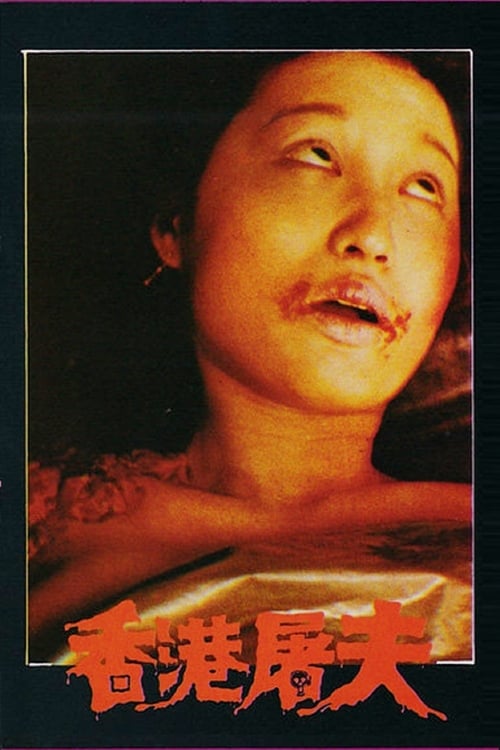
Corpse Mania is a genre-focused exploitation film that prioritizes shock and gore over social commentary. Women are central to the plot but are primarily portrayed as victims in a brothel setting. The film adheres to the cultural standards of its time, presenting a homogeneous cast. It focuses on individual pathology rather than broader social critiques. Ultimately, the film relies on traditional clichés of victimization and does not challenge established social hierarchies.
Category Breakdown
The film does not include explicit LGBTQ+ characters or stories. It follows a traditional horror format that doesn't highlight queer identities or non-cisgender experiences.
Women play key roles in the story but are mainly shown as victims in a brothel. The film emphasizes male aggression and portrays women as passive.
The cast is mostly made up of actors from similar ethnic backgrounds, reflecting the standards of the Hong Kong film industry in 1981. It presents a local perspective without using diverse casting to challenge social norms.
The story looks at criminality and social decay through underworld themes. It focuses on individual problems rather than critiquing cultural or moral institutions.
There is no clear depiction of physical or neurodivergent disabilities in the film.
Present on Screen
Limited or Absent
Official Synopsis
A necrophiliac killer is murdering the prostitutes at Madame Lan's brothel.
1994

1993
2001

2011

1987
1985

1992
1973
No reviews yet. Be the first to share your thoughts on this movie!
Use the rating form above to leave a star rating and optional review.