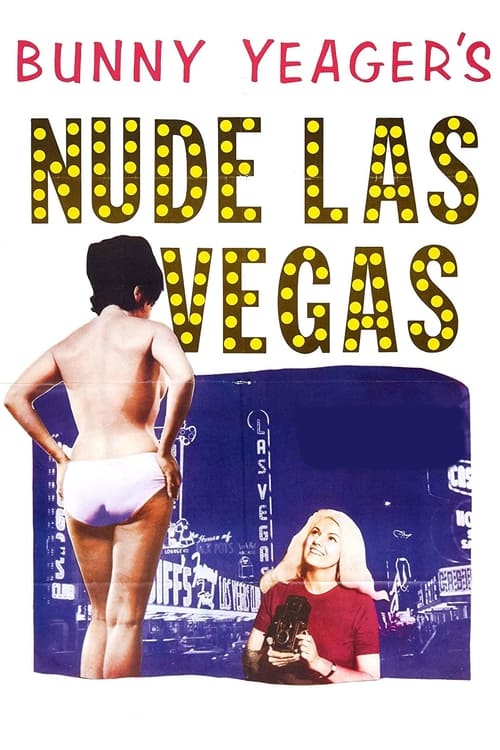
Bunny Yeager's Nude Las Vegas
1964
No user ratings available yet
Representation score: 2.3 out of 10
Representation Score
Minimal
1953
Director
Klaytan W. Kirby
Runtime
59 minutes
Average Rating
No ratings yetNew Showbiz Analysis
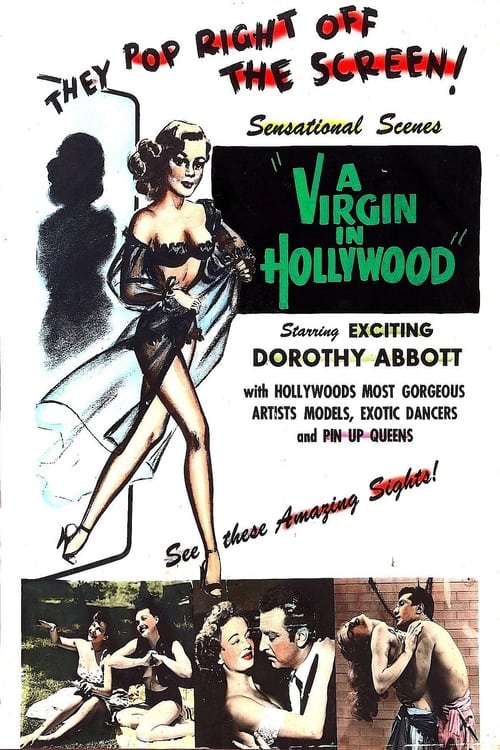
A Virgin In Hollywood is a mid-century comedy that looks at the workings of the Hollywood studio system. The film seems to celebrate the glamour of the era rather than critiquing its standards. Because the narrative centers on the excitement of the film industry, it likely follows the social hierarchies and homogeneous casting common in the 1950s. The film lacks diverse character arcs and multi-layered identities.
Category Breakdown
The film does not include any characters with non-traditional gender identities or same-sex relationships. It also does not explore or question the assumption that everyone is straight or cisgender.
The film emphasizes the traditional Hollywood ideal of 'glamour girls,' which may prioritize appearance over the roles women play in the story.
The cast appears to be predominantly white and Anglo-Saxon, following the homogeneous casting practices of the time period.
The film celebrates the Hollywood studio system without questioning the traditional Western institutions of the mid-20th century.
There is no mention of characters with visible or invisible disabilities in the film.
Present on Screen
Limited or Absent
Official Synopsis
A revealing "behind the scenes" feature about glamour girls in Hollywood in startling scenes of EXCITEMENT
1964
1937

1980

1952
1939
1963
1957
1994
No reviews yet. Be the first to share your thoughts on this movie!
Use the rating form above to leave a star rating and optional review.