The Man Between
1953
No user ratings available yet
Diversity score: 2.8 out of 10
1938
Director
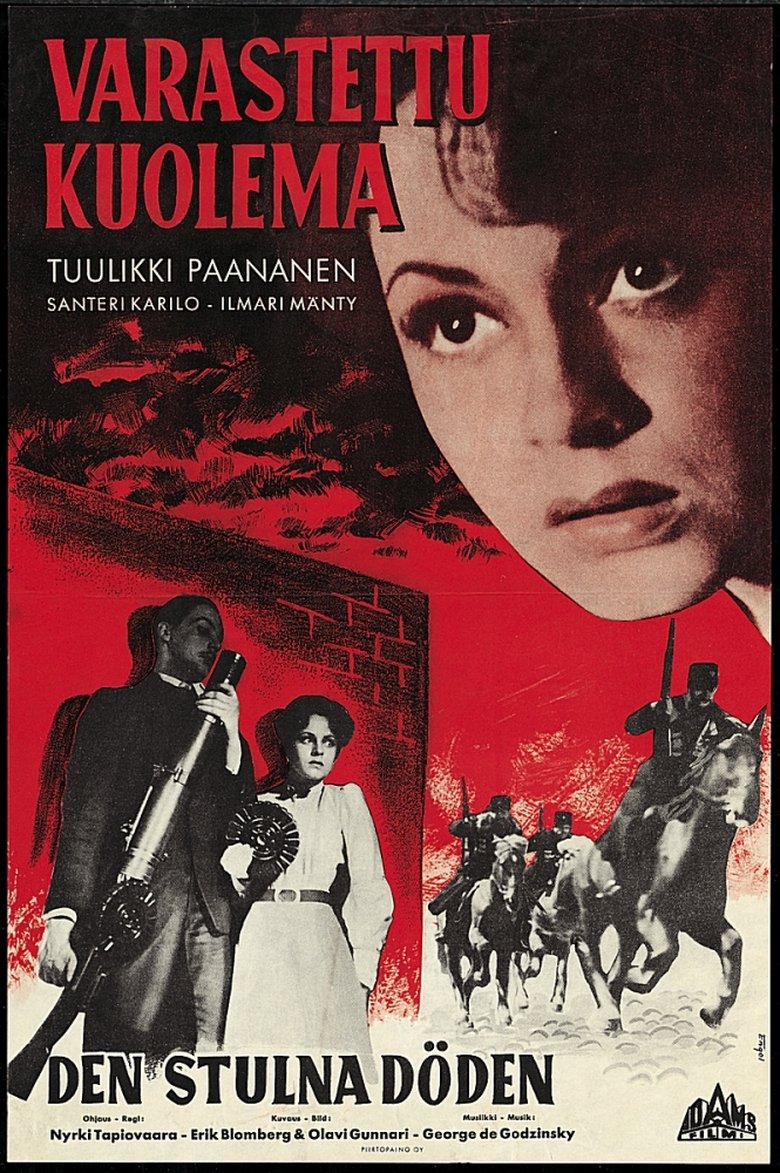
Nyrki Tapiovaara
Runtime
101 minutes
Average Rating
No ratings yetSynopsis
A group of finnish activists are waging a underground war against Russian oppression led by young idealistic aristocrat Robert Hedman.
Overall Score
Good
Category Breakdown
LGBTQ+ Representation
The film lacks explicit evidence of queer identities or non-heteronormative relationships. The focus on political activism and aristocratic struggle suggests a narrative centered on class rather than sexual orientation.
Gender Representation
The story centers on Robert Hedman, implying a male-dominated leadership structure. While the activist group may include women, there is no specific evidence of female-driven character arcs.
Racial & Ethnic Diversity
The conflict between Finnish activists and Russian oppression highlights national identity. This anti-imperialist framing serves as a narrative for ethnic self-determination against a dominant power.
Religious & Cultural Diversity
The film engages deeply with themes of systemic resistance and anti-imperialism. It portrays a struggle to dismantle autocratic structures and challenge established state hierarchies.
Disability Representation
There is no information regarding the portrayal of physical or neurodivergent disabilities within the narrative.
Strengths
Areas for Improvement
AI Analysis
The film functions primarily as a narrative of political resistance. By centering an underground war against Russian oppression, it prioritizes the agency of the oppressed over the stability of the ruling class. While the historical context of 1938 limits the visibility of certain identities, the film's subversion of political hegemony provides a progressive framework. It moves beyond simple genre tropes to explore socio-political subtext. However, the lack of specific details regarding gendered agency or queer representation prevents a higher score. The focus remains heavily on the macro-level struggle for national identity.
1953

2020
1939

1941
1957
1943

2004
1997

1981

1950
2019

1974
No reviews yet. Be the first to share your thoughts on this movie!
Use the rating form above to leave a star rating and optional review.