Page Eight
2011
No user ratings available yet
Representation score: 2.6 out of 10
Representation Score
Fair
2014
TV-PGDirector
David Hare
Runtime
95 minutes
Average Rating
No ratings yetNew Showbiz Analysis
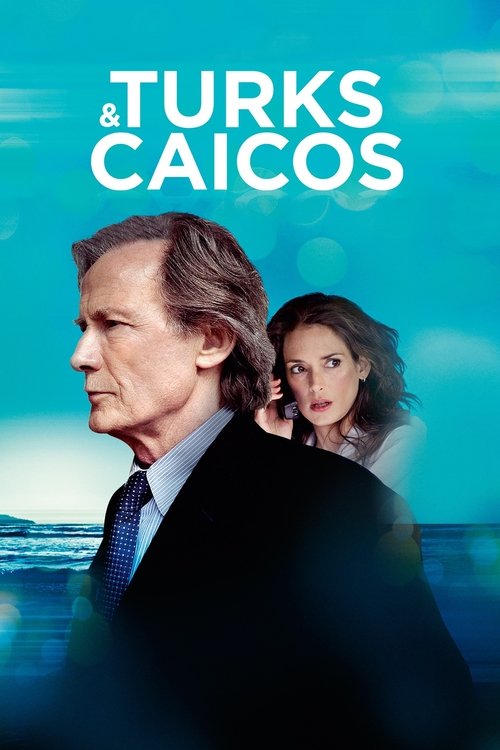
Turks & Caicos succeeds as a sophisticated critique of global hegemony and institutional fragility. It moves beyond standard thriller clichés by interrogating the intersection of individual ability to act and systemic power. The film's primary strength lies in its deconstruction of capitalist and post-colonial dynamics. By juxtaposing local populations against an expatriate tourist class, it avoids the typical 'paradise' clichés of Western cinema. However, the film lacks representation for LGBTQ+ identities and disability. While it offers a rigorous critique of political and financial systems, these specific demographic narratives are absent.
Category Breakdown
The film focuses on geopolitical intrigue and socioeconomic tension but lacks LGBTQ+ character arcs or critiques of the assumption that everyone is straight or cisgender, operating within a traditional framework.
Female characters, particularly in financial PR, demonstrate a significant role in driving the story and intellectual presence. The film avoids submissive clichés, offering a nuanced view of gendered power.
The Caribbean setting facilitates an exploration of post-colonial dynamics. A diverse local cast provides a necessary counterpoint to the dominant white interests of the financial elite.
The narrative critiques Western institutional integrity and the corruption of global capital. It portrays Western-driven structures as inherently corruptive to local autonomy.
There is no significant evidence regarding the portrayal of physical or neurodivergent disabilities within the narrative.
Present on Screen
Limited or Absent
Official Synopsis
The second movie in David Hare's Johnny Worricker trilogy. Loose-limbed spy Johnny Worricker, last seen whistleblowing at MI5 in Page Eight, has a new life. He is hiding out in Ray-Bans on the Caribbean islands of the title, eating lobster and calling himself Tom Eliot (he’s a poet at heart). We’re drawn into his world and his predicament when Christopher Walken strolls in as a shadowy American who claims to know Johnny. The encounter forces him into the company of some ambiguous American businessmen who claim to be on the islands for a conference on the global financial crisis. When one of them falls in the sea, their financial PR seems to know more than she's letting on. Worricker soon learns the extent of their shady activities and he must act quickly to survive when links to British prime minister Alec Beasley come to light.
2011
2014
2005
1965
2016

2010
2007
1990
No reviews yet. Be the first to share your thoughts on this movie!
Use the rating form above to leave a star rating and optional review.