
Tinker Tailor Soldier Spy
2011
No user ratings available yet
Representation score: 3.8 out of 10
Representation Score
Limited
2011
NRDirector
David Hare
Runtime
99 minutes
Average Rating
No ratings yetNew Showbiz Analysis
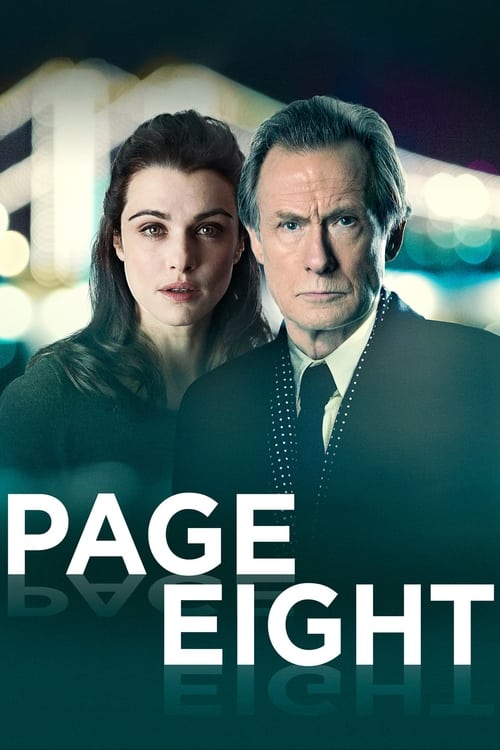
Page Eight is a sophisticated political thriller that prioritizes systemic critique over demographic breadth. It deconstructs state power and institutional transparency rather than focusing on diverse identities. While the film scores low in traditional metrics like race, gender, and LGBTQ+ representation, it finds progressive value through its cultural commentary. It questions the morality of established Western institutions using a postmodern lens.
Category Breakdown
The film does not include any LGBTQ+ themes or characters that challenge traditional norms. It focuses solely on the professional lives of its main characters without addressing LGBTQ+ issues.
The film portrays a male-dominated professional environment where women play supporting roles but do not have significant influence over the story's direction.
The cast is primarily white, reflecting the upper echelons of London's political and journalistic communities. There is no diversity in casting that reflects multiple backgrounds.
The film effectively critiques the infallibility of state authority and official history, presenting it as a constructed and potentially corrupt narrative.
The film does not feature any prominent characters with visible or invisible disabilities that serve as central plot drivers or character developments.
Present on Screen
Limited or Absent
Official Synopsis
Johnny is a long-serving MI5 officer. His boss dies suddenly, leaving behind an inexplicable file which threatens the stability of the organisation.
2011
1965

2005

2014
2016

2018
2010
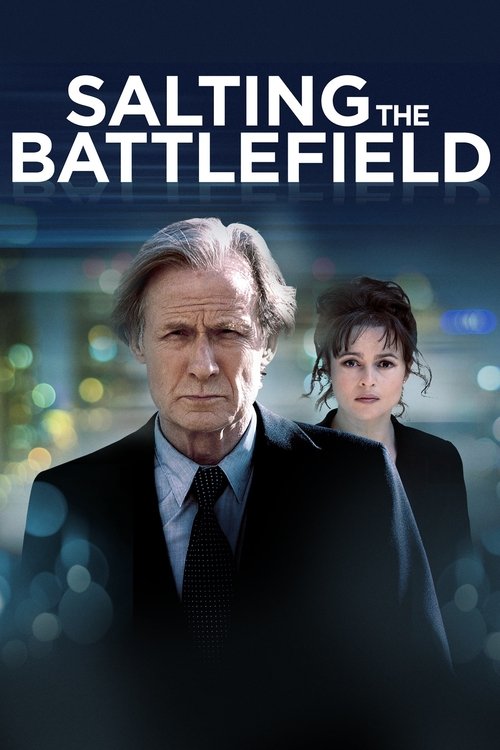
2014
No reviews yet. Be the first to share your thoughts on this movie!
Use the rating form above to leave a star rating and optional review.