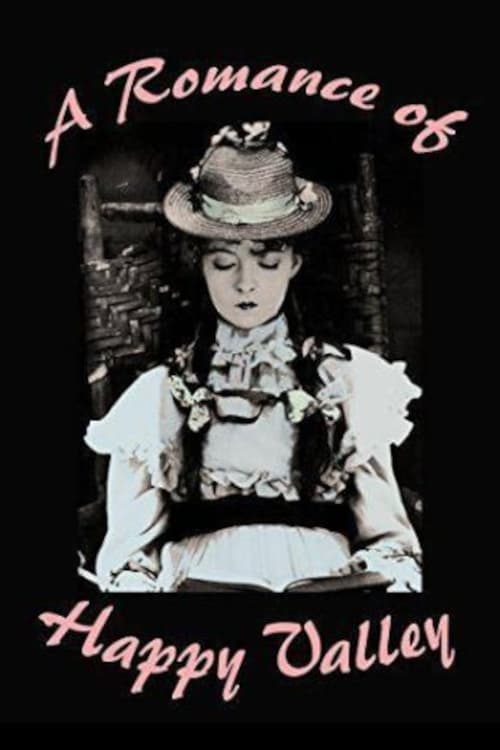
A Romance of Happy Valley
1919
No user ratings available yet
Diversity score: 4.3 out of 10
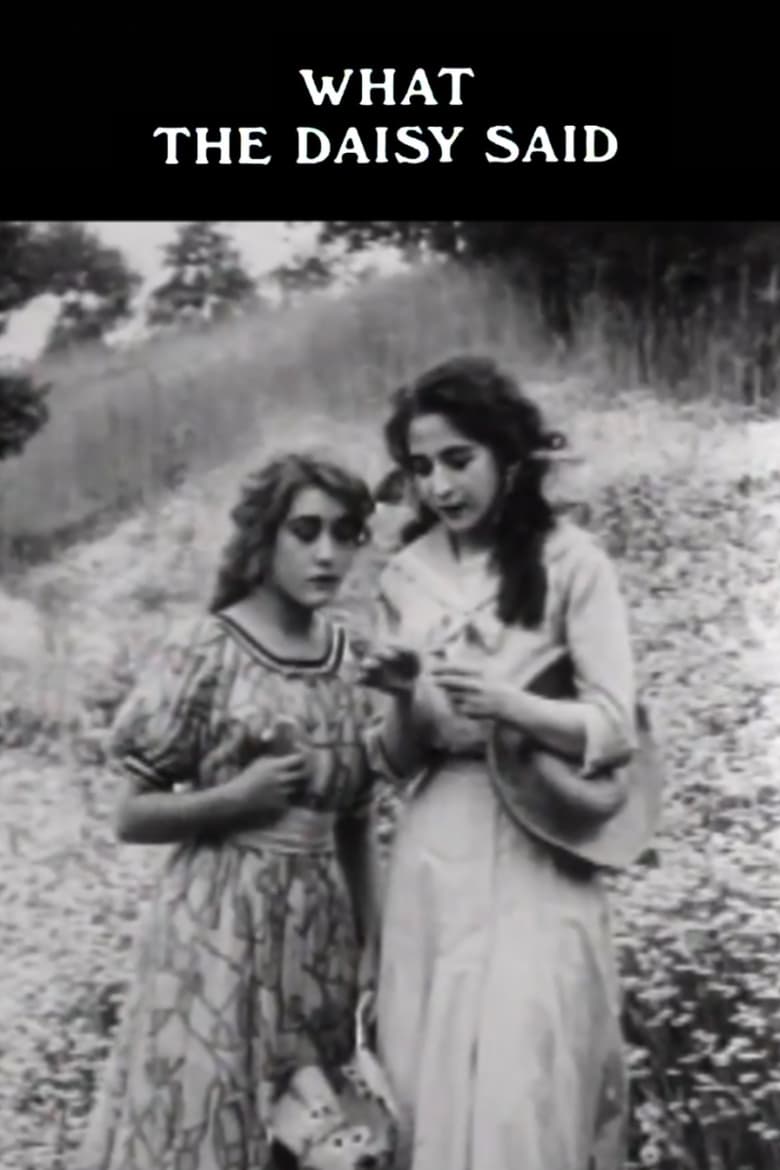
1910
Director
D.W. Griffith
Runtime
14 minutes
Average Rating
No ratings yetSynopsis
Two sisters want to know whether there is romance in their future. One sister pulls the petals off of a flower, while the other has her fortune told by a gypsy. When the gypsy tells the fortune so as to serve his own purposes, complications soon develop.
Overall Score
Limited
Category Breakdown
LGBTQ+ Representation
The film focuses on conventional romantic inquiries between two sisters. There is no evidence of non-cisnormative identities or same-sex intimacy.
Gender Representation
While female protagonists drive the plot, their agency is limited to passive superstitions. They remain subjects of fate and external male influence rather than autonomous actors.
Racial & Ethnic Diversity
A gypsy character provides a non-Anglo-Saxon presence. However, this figure serves primarily as a deceptive plot device rather than a nuanced cultural portrayal.
Religious & Cultural Diversity
The narrative adheres to traditional early-century storytelling centered on romantic destiny. It lacks systemic critiques, instead reinforcing standard social and moral expectations.
Disability Representation
The synopsis provides no evidence of visible or invisible disabilities within the narrative.
Strengths
Areas for Improvement
AI Analysis
What the Daisy Said functions as a period-typical melodrama that relies heavily on established social archetypes. The story uses traditional tropes, such as fortune-telling and romantic superstition, to move the plot forward without challenging the status quo. While the film features female leads, their roles are defined by passivity and external influence. The inclusion of ethnic characters is limited to stereotypical archetypes used to create narrative tension through deception. Ultimately, the film reflects the conventionalist constraints of 1910 cinema. It prioritizes romantic tropes over complex or diverse character development, reinforcing the social hierarchies of its era.
1919

2002
1947

2019

2025
1908

1971
1962

1963
1932

2016
1939
No reviews yet. Be the first to share your thoughts on this movie!
Use the rating form above to leave a star rating and optional review.