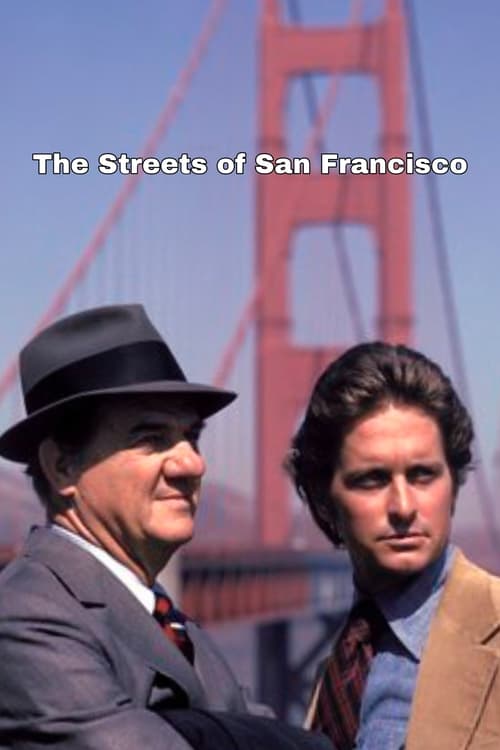
The Streets of San Francisco
1972
No user ratings available yet
Representation score: 0.9 out of 10
Representation Score
Limited
1967
TV-PGDirector
James Goldstone
Runtime
98 minutes
Average Rating
No ratings yetNew Showbiz Analysis
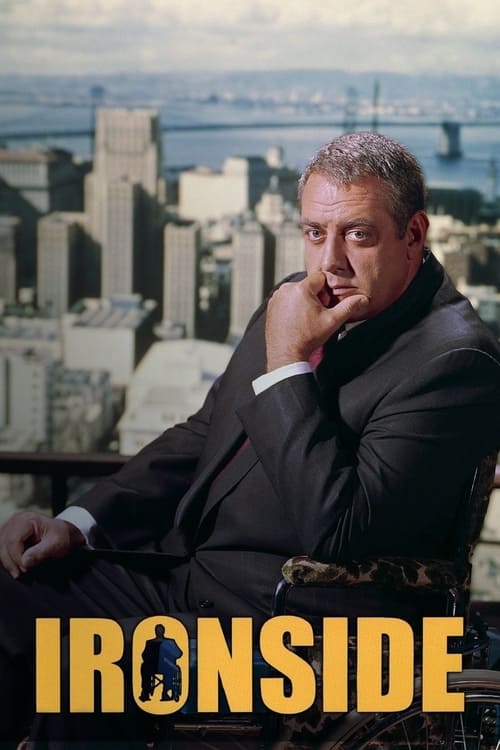
Ironside stands out as a progressive milestone primarily due to its portrayal of disability. By presenting a paraplegic lead who maintains investigative authority, the film avoids the 'broken' stereotype and emphasizes intellectual competence over physical ability. However, this strength is balanced against the era's limitations. The film remains deeply rooted in traditional structures, featuring a homogeneous cast and a patriarchal hierarchy that limits the impact of its female and minority characters. Ultimately, the film is a study in contradictions: it challenges physical norms while upholding the rigid social and racial status quo of the late 1960s.
Category Breakdown
The film does not include any LGBTQ+ characters or identities outside of heterosexual norms. The social environment strictly aligns with the heterosexual norms of the late 1960s.
The story follows a patriarchal structure centered around a male lead. However, Officer Eve Whitfield provides a notable exception by serving as a professional peer.
The cast is predominantly white, reflecting the production standards of 1967. Despite being set in diverse San Francisco, characters of color have limited roles and ability to act.
The story emphasizes traditional Western institutions and law enforcement. It highlights professional duty and institutional integrity without delving into anti-establishment or anti-capitalist themes.
The film excels by focusing on a paraplegic protagonist who retains significant intellectual ability to act. Ironside drives the plot rather than being defined by his physical limitations.
Present on Screen
Limited or Absent
Official Synopsis
Citizens of San Francisco are stunned by the news that Robert Ironside, the city's hard-nosed, tough-talking chief of detectives, has been shot and left for dead while vacationing at his friend the Police Commissioner's rural retreat. Ironside survives the murder attempt, but the bullet has damaged nerves in his spine, leaving him a paraplegic. Unable to gain reinstatement as chief of detectives, Ironside gets permission to continue investigating criminal cases as a citizen volunteer. With the assistance of two former protegees, Det. Sgt. Ed Brown and Officer Eve Whitfield, and a newly-hired aide/driver, Mark Sanger, Ironside sets out to solve his first case as a civilian by finding the people responsible for the attempt on his life.
1972

2015
1995
2005

1995

1987

1994
2007
No reviews yet. Be the first to share your thoughts on this movie!
Use the rating form above to leave a star rating and optional review.