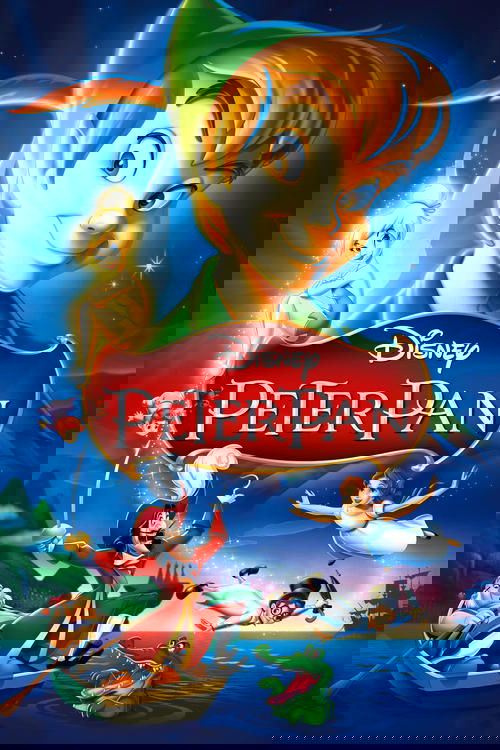
Peter Pan
1953
No user ratings available yet
Representation score: 1.6 out of 10
Representation Score
Minimal
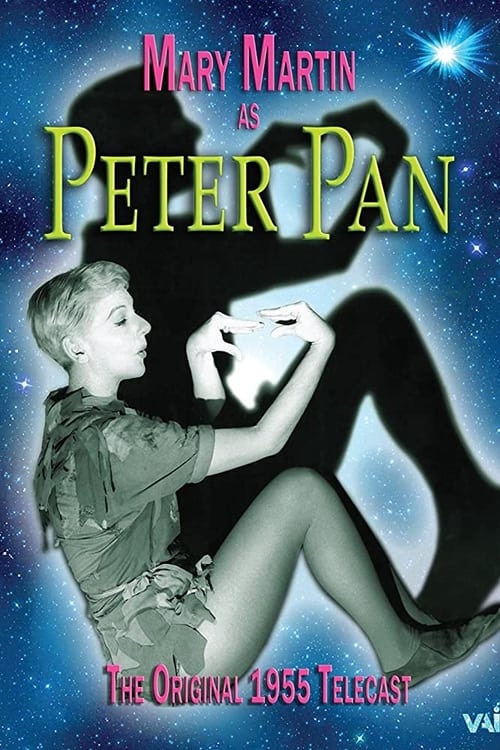
1955
Director
Clark Jones, Jerome Robbins
Runtime
60 minutes
Average Rating
No ratings yetNew Showbiz Analysis
This live television musical is a classic example of mid-century broadcast entertainment. It reinforces established social hierarchies rather than disrupting them, adhering strictly to the domestic ideals of the 1950s. The production lacks complexity in representing multiple aspects of identity, focusing instead on a singular, Anglo-Saxon perspective of adventure. The narrative structure prioritizes social stability and Western cultural dominance. Ultimately, the work reflects the social constraints of its era, offering a traditionalist view of heroism and family that lacks diverse representation.
Category Breakdown
The production does not include any characters with non-binary gender identities or same-sex relationships. Character interactions are based solely on the assumption that everyone is straight or cisgender.
Gender roles in the film reflect mid-century norms. Wendy Darling is portrayed as a caregiver and mother, lacking the characteristics of a subversive leader.
The cast is uniform, reflecting the Edwardian setting and the 1950s production era. There are no non-white characters in central roles.
The story upholds traditional Western values and middle-class domestic life. It presents a clear moral binary of good versus evil without challenging broader societal issues.
No visible or invisible disabilities are shown. The cast includes characters who are physically capable of performing the demands of a musical fantasy.
Present on Screen
Limited or Absent
Official Synopsis
This musical version of the tale of the boy who wouldn't grow up aired live on television on March 7, 1955. It was so popular that it was restaged the following year, and again four years later.
1953

1974
1924

2003
1966

1983
1970
1967
No reviews yet. Be the first to share your thoughts on this movie!
Use the rating form above to leave a star rating and optional review.