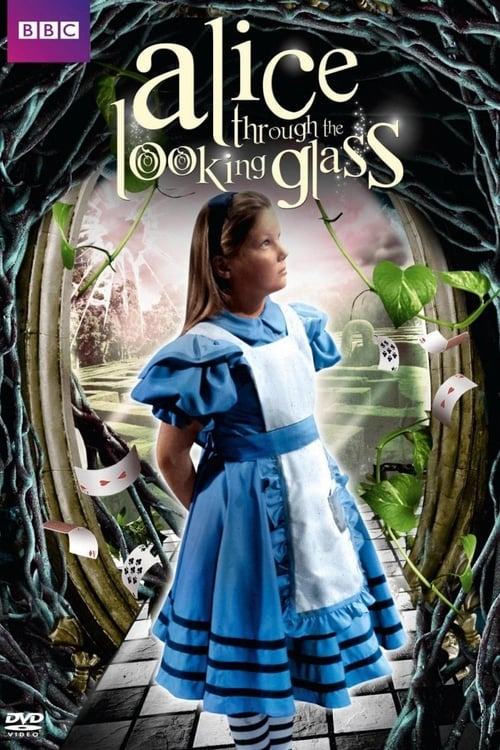
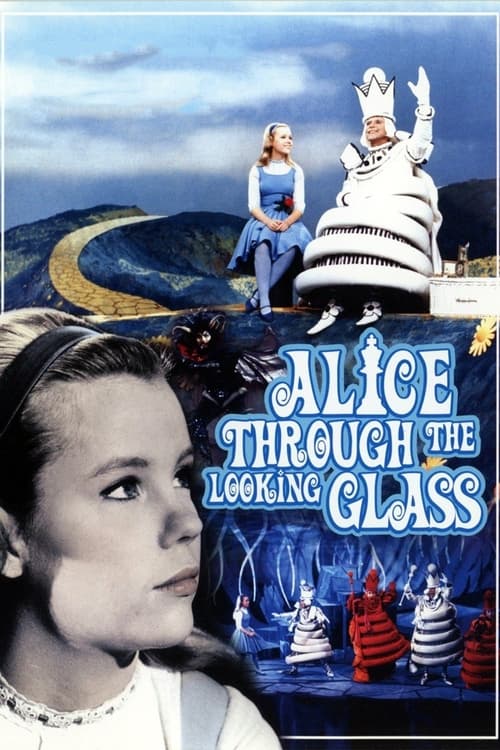
Alice Through the Looking Glass
1973
No user ratings available yet
Representation score: 5.7 out of 10
Representation Score
Limited
1966
GDirector
Alan Handley
Runtime
72 minutes
Average Rating
No ratings yetNew Showbiz Analysis
This musical adaptation of Lewis Carroll's work operates as a traditionalist fantasy. It prioritizes whimsical escapism and mid-century television clichés over social critique. While the production includes some ethnic variety through its cast, it does not actively challenge systemic hierarchies. The narrative remains rooted in the era's conventional storytelling, focusing on the surrealism of the looking-glass world. It lacks intentionality regarding LGBTQ+ representation or the subversion of gender roles, sticking instead to established Victorian-inspired archetypes.
Category Breakdown
The production does not include visible LGBTQ+ representation or queer characters taking a leading role. It follows the assumption that everyone is straight or cisgender, which was common in 1966 television.
Alice serves as a female protagonist driving the story forward. However, she relies on traditional feminine stereotypes of innocence and curiosity.
The cast includes actors of different ethnicities, such as Ricardo Montalban. Nonetheless, the narrative remains focused on Anglo-centric themes.
This adaptation emphasizes Victorian-era sensibilities and whimsical morality. It prioritizes surreal fantasy over any critique of Western institutions or structures.
There is no discernible evidence regarding the portrayal of physical or neurodivergent disabilities in this production.
Present on Screen
Limited or Absent
Official Synopsis
Alice returns to Wonderland through the looking glass in this TV musical.
1973
1974
1972
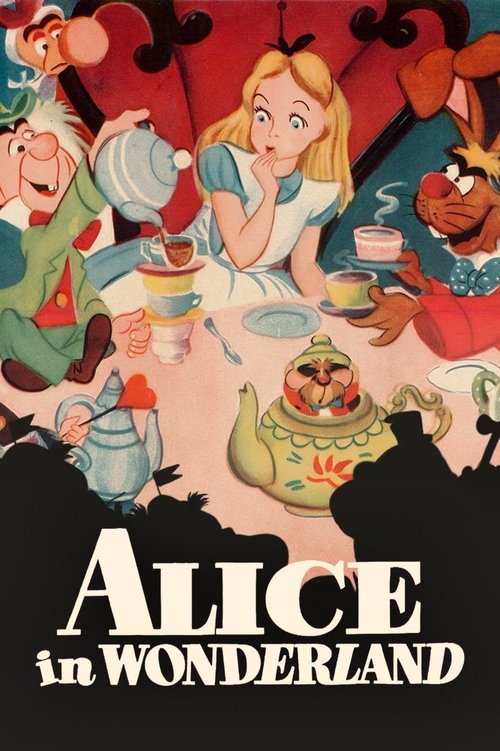
1951
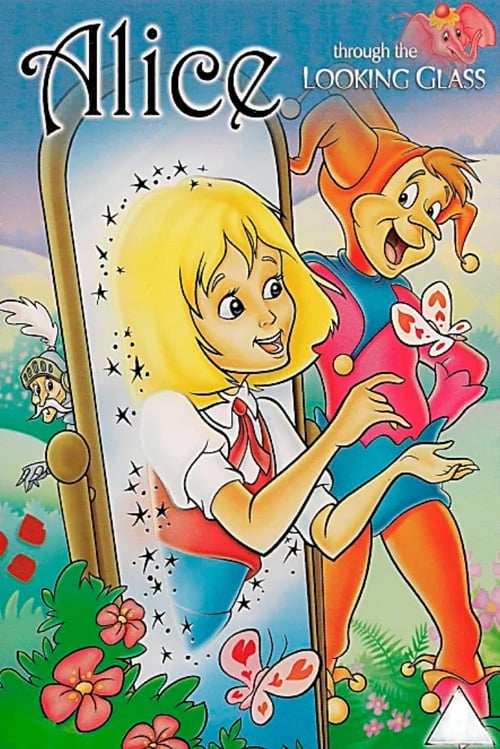
1987
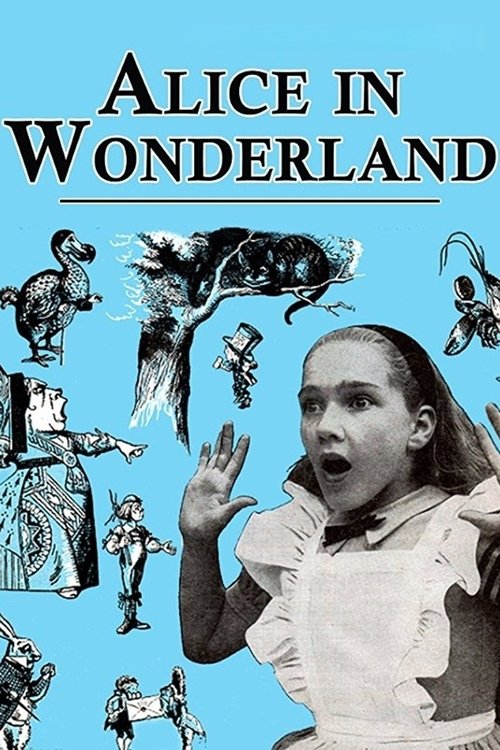
1955
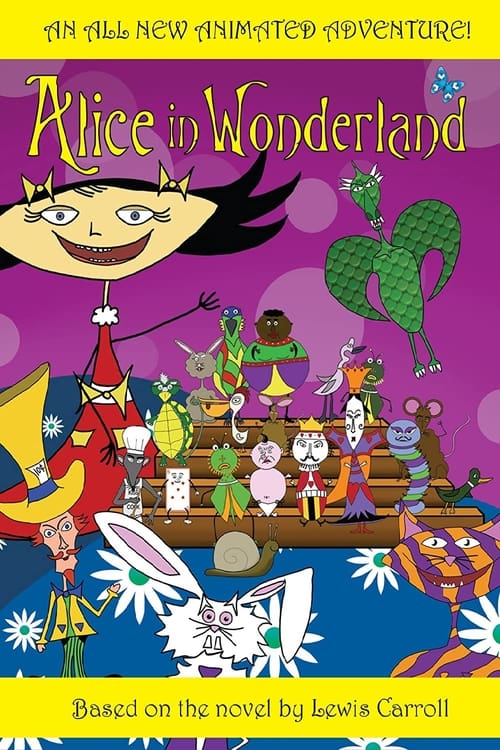
2010
1970
No reviews yet. Be the first to share your thoughts on this movie!
Use the rating form above to leave a star rating and optional review.