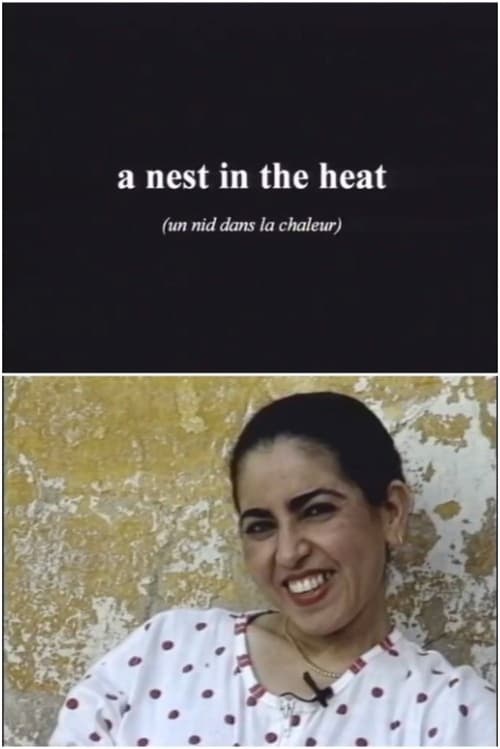
Boujad: A Nest in the Heat
1992
No user ratings available yet
Diversity score: 7.0 out of 10
No Poster Available
2009
GAverage Rating
No ratings yetSynopsis
A charming young German meets his biological parents and siblings in Dubai. The wealthy Iraqi family has found their new home there. Their son Sinan grew up in Hesse with his German adoptive mother and now lives and works in Berlin. The camera is almost invisible and very precise in "My father. My uncle." is always present when Sinan encounters the family, language, religion and culture of his ancestors - it is the discovery of a foreign world, an alternative life that he would have lived if he had grown up with his brothers. For Sinan's parents, he has always been part of the family. They have longed all their lives for the return of their prodigal son and now accept him with unconditional love. They make plans, dream of a life together in Iraq and make suggestions for a future wife. Actually, it would also be nice if Sinan converted to Islam.
Overall Score
Good
Category Breakdown
LGBTQ+ Representation
The film does not explicitly center LGBTQ+ narratives or identities. While it explores future domesticity and marriage, there are no queer-coded character arcs present.
Gender Representation
The narrative explores familial bonds through a lens that challenges patriarchal rigidity. It depicts emotional vulnerability in male relatives, disrupting the trope of the stoic patriarch.
Racial & Ethnic Diversity
The film excels in depicting transnational identity and the blending of diverse backgrounds. It provides significant agency to characters of color within a globalized, Middle Eastern context.
Religious & Cultural Diversity
The documentary engages deeply with religious pluralism. It presents the family's desire for Sinan's conversion to Islam as an invitation into a shared heritage rather than a conflict.
Disability Representation
There are no visible or documented depictions of physical or neurodivergent disabilities within the film.
Strengths
Areas for Improvement
AI Analysis
This documentary offers a sophisticated look at the intersection of identity and heritage. By following Sinan's journey from Germany to Dubai, the film moves beyond Western-centric biographical structures to explore the fluid boundaries between different cultural worlds. The narrative succeeds by treating the Iraqi and Dubai-based lifestyles with complexity and weight. It avoids a singular Western perspective, instead prioritizing the lived experiences and the 'alternative lives' of the subjects. While the film lacks specific engagement with LGBTQ+ or disability narratives, it provides a rich, nuanced portrayal of masculinity and the complexities of the diaspora.
1992

2013
2016
2009
2018
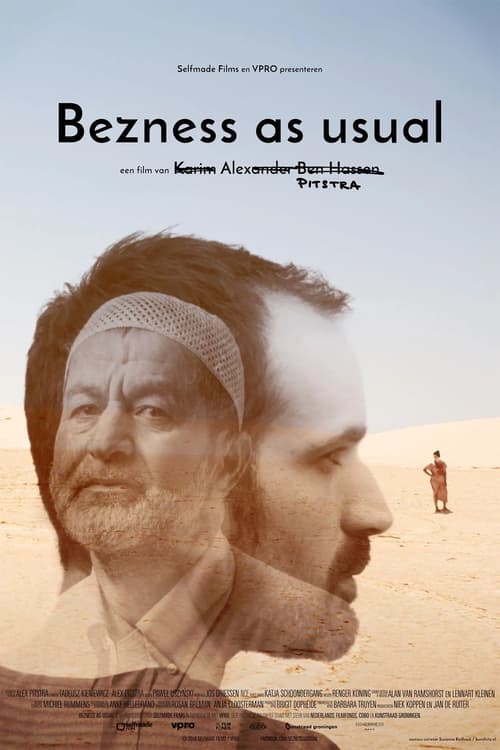
2016
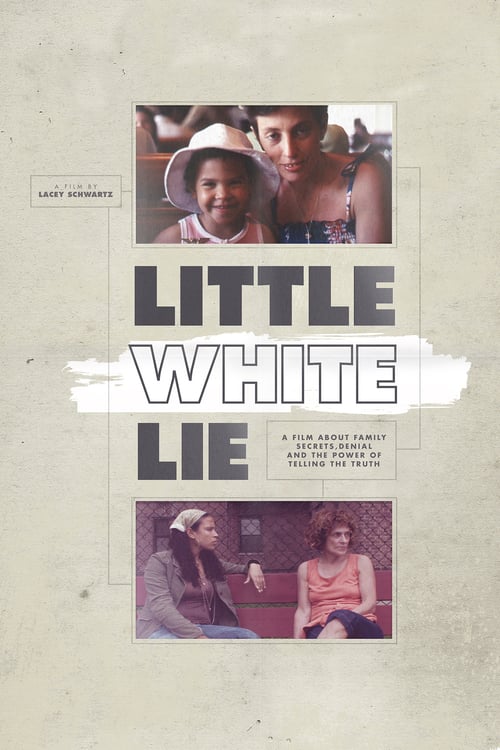
2014
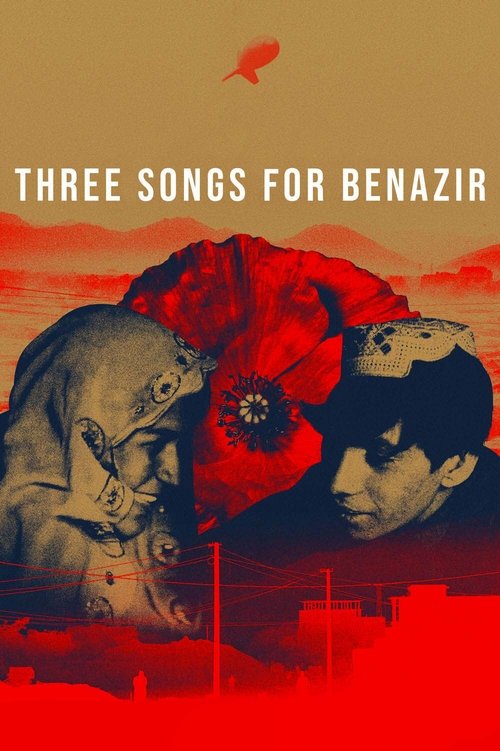
2021
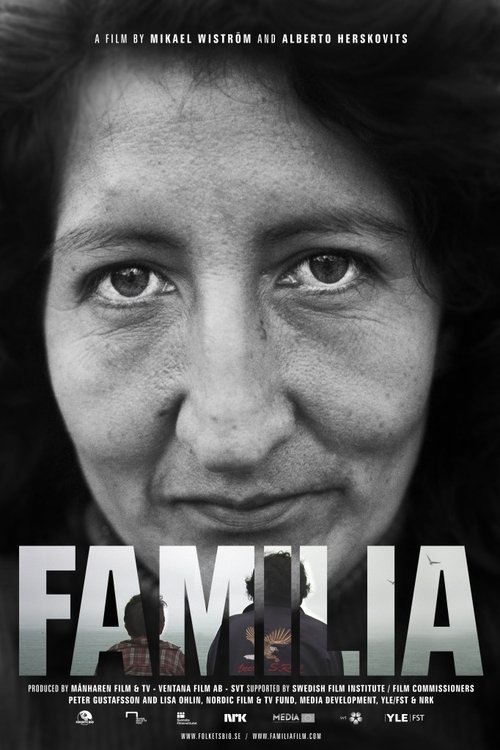
2010
2019
2019

2012
No reviews yet. Be the first to share your thoughts on this movie!
Use the rating form above to leave a star rating and optional review.