
Tiger Milk
2017
No user ratings available yet
Representation score: 5.2 out of 10
Representation Score
Good
2011
Director
Yasemin Samdereli
Runtime
101 minutes
Average Rating
No ratings yetNew Showbiz Analysis
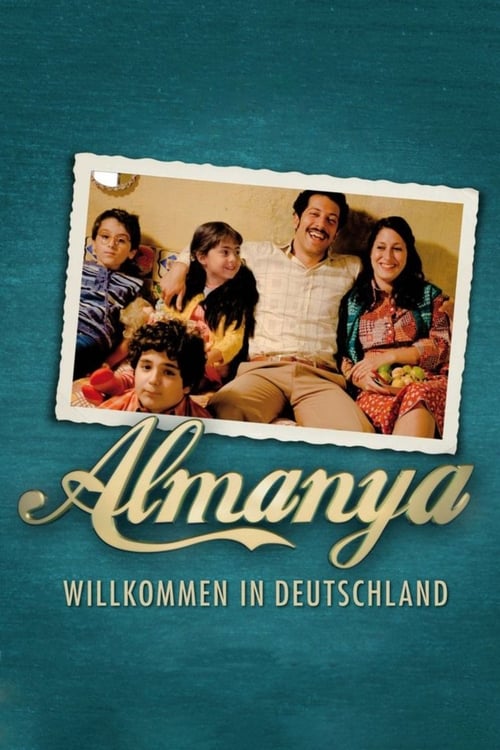
Almanya: Welcome to Germany offers a sophisticated look at the diaspora experience, moving beyond surface-level clichés to explore the tension between heritage and integration. Its primary strength lies in its authentic focus on the Turkish-German community, providing a nuanced view of identity that challenges Western social norms. While the film effectively critiques traditional social hierarchies and patriarchal structures, it remains limited in its scope regarding LGBTQ+ identities and disability representation. The narrative focuses on traditional family dynamics and generational shifts within a specific ethnic context. Ultimately, the film succeeds as a cultural study of the immigrant experience, using the tension between established traditions and individual independence to drive its thematic core.
Category Breakdown
The film does not explicitly include LGBTQ+ identities or non-traditional gender expressions. The story revolves around traditional family structures and reproductive choices.
Female characters play a significant role in challenging patriarchal hierarchies and traditional domestic roles. The story highlights the tension between ancestral traditions and personal freedom.
The film centers on the Turkish-German diaspora and the historical 'guest worker' context. It provides a significant role in driving the story to characters of color within a non-Western perspective.
The narrative explores the conflict between traditional Turkish values and Westernized social structures. It avoids simplistic morality, focusing on the clash of civilizations within families.
There is no significant portrayal of visible or invisible disabilities. No characters with disabilities are central to the narrative.
Present on Screen
Limited or Absent
Official Synopsis
After living 45 years in Germany, the Turkish Hüseyin Yilmaz, seventy, announces to his family that he has bought a house in Turkey and they should return to make the necessary reforms. The idea is unwelcome and causes very heated discussions. In addition, Canan, a granddaughter of Hüseyin, announces she is pregnant and the father is her English boyfriend, and no one knew anything.
2017

2024

2007

2017
2019

2014

2019

2016
No reviews yet. Be the first to share your thoughts on this movie!
Use the rating form above to leave a star rating and optional review.