The Phantom of the Operetta
1955
No user ratings available yet
Representation score: 1.8 out of 10
Representation Score
Minimal
1956
Director
Miguel M. Delgado
Runtime
91 minutes
Average Rating
No ratings yetNew Showbiz Analysis
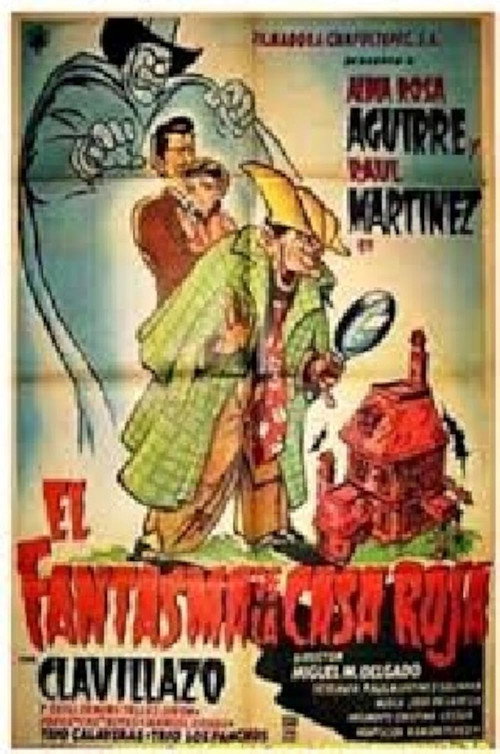
The Phantom of the Red House operates as a traditional genre-blending comedy-horror. It utilizes a classic inheritance cliché to explore the moral decay of a wealthy family, focusing on character-driven humor and greed. While the film provides a non-Western perspective due to its Mexican production origins, it lacks multi-layered depth. The narrative does not appear to challenge social hierarchies or provide specific identity-based representation. Ultimately, the film functions as a commercial piece of the Golden Age of Mexican cinema, prioritizing established genre structures over progressive social commentary.
Category Breakdown
The film does not include any queer narratives or non-straight identities. It follows traditional storytelling norms of the era.
The story centers on heirs fighting for a fortune, likely adhering to the patriarchal structures common in 1950s cinema. There is no indication of significant women's ability to drive the story.
As a Mexican production, the film offers a non-Anglo-Saxon perspective. However, the plot focuses on wealth clichés that mirror Western class structures rather than intentional racial exploration.
The story critiques greed and the corruption of the wealthy through a classic inheritance cliché. It explores familial dysfunction rather than offering a systemic critique of institutions.
There is no information available regarding the inclusion of characters with physical or neurodivergent disabilities in this production.
Present on Screen
Limited or Absent
Official Synopsis
A millionaire's ghost watches while his heirs murder each other over his fortune.
1955
1964
1941
1967
1963
1971
1939
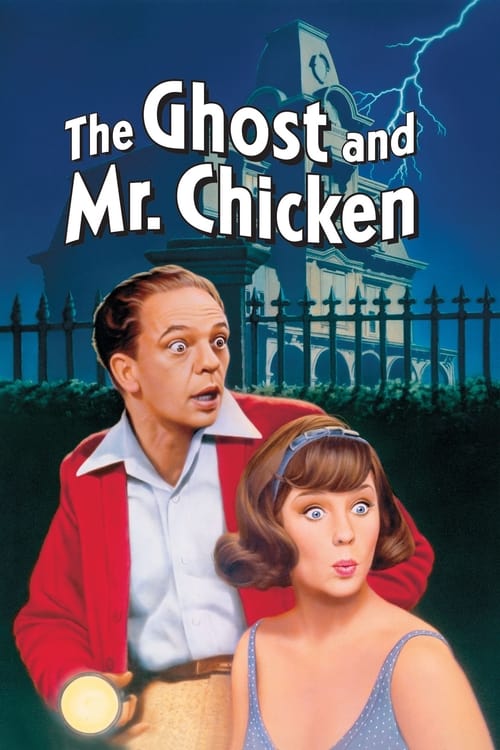
1966
No reviews yet. Be the first to share your thoughts on this movie!
Use the rating form above to leave a star rating and optional review.