
Room to Rent
2001
No user ratings available yet
Representation score: 5.8 out of 10
Representation Score
Fair
1998
Director
Kaizad Gustad
Runtime
105 minutes
Average Rating
No ratings yetNew Showbiz Analysis
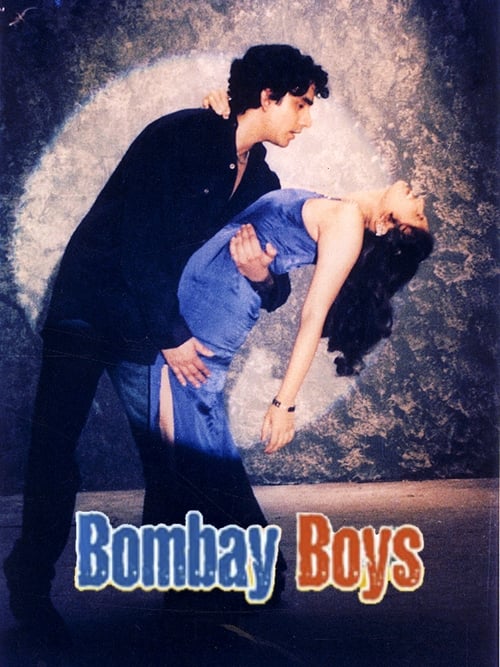
Bombay Boys stands out by rejecting the polished, idealized clichés of mainstream Bollywood in favor of a fragmented, globalized perspective. It explores the intersection of nationality, sexual orientation, and class, creating a narrative that challenges both Western and Eastern social structures. The film's strength lies in its portrayal of the diaspora and its willingness to depict institutional indifference. By centering characters who exist between cultures, it provides a sophisticated look at identity that feels both realistic and disruptive for its time.
Category Breakdown
Pesi Shroff is shown as a confident member of the LGBTQ community who plays a significant role in driving the story. His interactions highlight social tensions that challenge traditional family dynamics.
The story primarily centers on the experiences of three male characters, though it challenges traditional hyper-masculine stereotypes through moments of vulnerability. However, female characters have limited influence over the plot.
The film showcases a rich mix of cultures by featuring characters from various countries such as New York, Australia, and London. This transnational perspective helps break down a singular view of Indian identity.
The story critiques established institutions, presenting local police as indifferent. It also offers a critical view of the Bollywood industry through a cynical lens.
There are no visible or invisible disabilities depicted in the narrative to allow for an assessment.
Present on Screen
Limited or Absent
Official Synopsis
Krishna alias Kris Sahani lives in New York, but decides to travel to his homeland in order to act in a movie. While Ricardo Fernandes leaves Australia to travel to Bombay in search of his missing brother, Roger. And finally, Zeres Mistry, from London also travels to Bombay to find his true love. The paths of all three NRIs cross in the taxi to Colaba, and they decide to stick together. They find an apartment, owned by a gay landlord, Pesi Shroff, who openly and lovingly eyes a visibly uncomfortable Zeres. Things do not go well for Kris as he is asked by Filmmaker, Don Mastana, to act in a movie that is slated to be the worst movie in Bollywood history. Ricardo finds himself at the mercy of the local police, who make it clear to him that they have better things to do than look for his missing brother. It is only a matter of time before the hapless trio to realize that their respective hopes and dreams are soon to turn to hopelessness and nightmares - from which there is no escape.
2001

2007

2022
1992

2015
2006
2012

1984
No reviews yet. Be the first to share your thoughts on this movie!
Use the rating form above to leave a star rating and optional review.