Hell-Bent in India
2016
No user ratings available yet
Representation score: 3.0 out of 10
Representation Score
Limited
2012
Director
Brahim Chkiri
Runtime
112 minutes
Average Rating
No ratings yetNew Showbiz Analysis
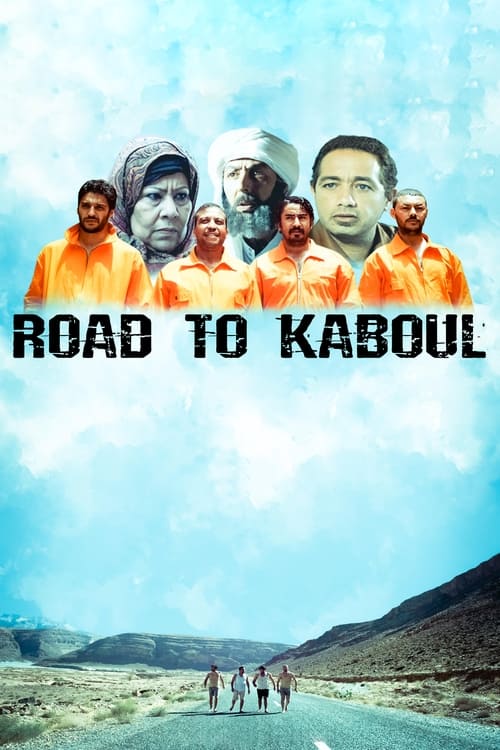
Road to Kabul offers a localized social commentary that shifts the cinematic focus from the Global North to the Global South. By centering Moroccan protagonists, the film provides a non-Western perspective on migration and economic desperation. However, the film is limited by a traditional, male-centric narrative structure. The lack of diverse representation, such as LGBTQ+ or disability representation, keeps the scope narrow. Ultimately, while the film succeeds in cultural critique, it adheres to conventional social groupings and lacks gender diversity.
Category Breakdown
The film focuses on male camaraderie within a traditional social framework. There are no LGBTQ+ characters or narratives that question the assumption that everyone is straight or cisgender.
The story is driven entirely by a male-dominated ensemble of unemployed youths. Women play minor roles and have little control over their own lives.
The film centers North African identities and challenges a Western-centric viewpoint. It portrays Moroccan citizens navigating international borders and the complexities of the Global South.
The narrative critiques the dream of Western prosperity and highlights systemic instability. Characters are shown as victims of economic stagnation and systemic failure.
There is no documented evidence regarding the inclusion of characters with physical or neurodivergent disabilities.
Present on Screen
Limited or Absent
Official Synopsis
In Casablanca, Ali, Hmida, Mbarek and Messoud are four unemployed youths who spend their time dreaming of a better life in the Netherlands. One day, Hmida falls on a specialist of illegal immigration, Ouchen. The four friends manage to collect enough money only for the departure of one of them, Hmida. Several months later, it still has not given any sign of life. Ali, Mbarek and Messoud discovering that he is not in Holland but in Afghanistan, they decide to go looking for him on the road to Kabul.
2016
2009
2018

2010
2019
2019
2023
2013
No reviews yet. Be the first to share your thoughts on this movie!
Use the rating form above to leave a star rating and optional review.