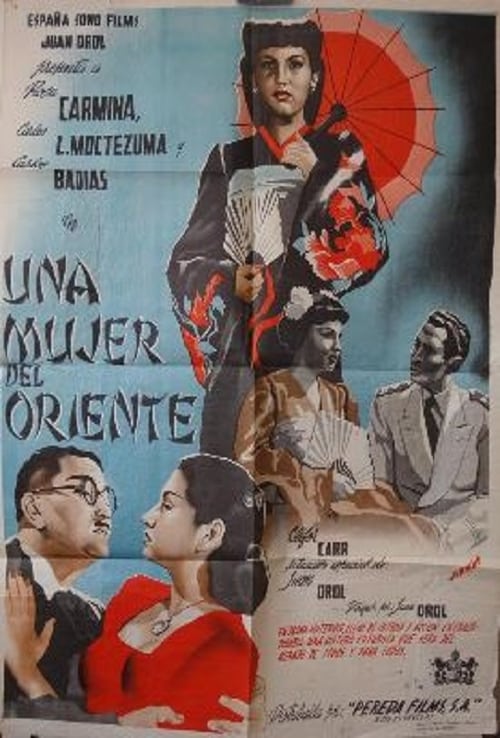
Una mujer de Oriente
1946
No user ratings available yet
Representation score: 3.0 out of 10
Representation Score
Limited
1962
Director
Juan Orol
Runtime
99 minutes
Average Rating
No ratings yetNew Showbiz Analysis
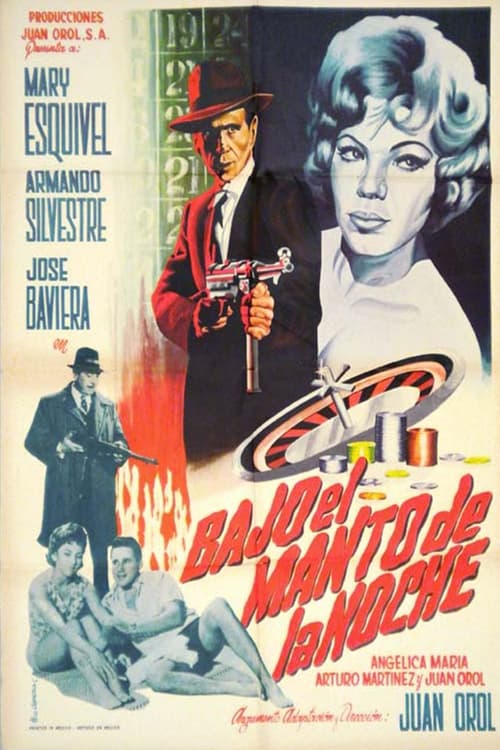
Under the Cover of Night is a traditional 1962 melodrama centered on interpersonal conflict and familial secrets. The plot hinges on the classic cliché of a daughter passing as a sister to create tension, emphasizing domestic and romantic themes. The film adheres to the conventions of its time, prioritizing individual romantic rivalry over exploring systemic identity politics. While it offers a non-Western perspective as a Mexican production, it does not incorporate modern markers of characters who reflect more than one aspect of diversity. Ultimately, the narrative structure upholds established social hierarchies and traditional romantic dynamics without seeking to challenge them.
Category Breakdown
The film focuses on a heterosexual love triangle and does not include any non-cisgender identities or stories that challenge the assumption that everyone is straight. There is no evidence of LGBTQ+ representation.
Women in the film express their ability to act through emotional manipulation and interpersonal conflicts. However, the story relies on traditional stereotypes of female rivalry and domestic intrigue.
As a Mexican production, the film features a non-Anglo-Saxon cast. However, there is no indication of intentional multi-layered casting or race being a key part of the narrative.
The story revolves around family secrets and romantic drama. It emphasizes traditional social customs and domestic stability, avoiding any critique of systemic issues or institutions.
No information is available regarding the portrayal of physical or neurodivergent characters.
Present on Screen
Limited or Absent
Official Synopsis
The vedette Miriam ignores her pretender Carlos because her daughter Margot, whom she passes as her sister, is in love with him.
1946
1964
1961
1955
1950
1960
1956
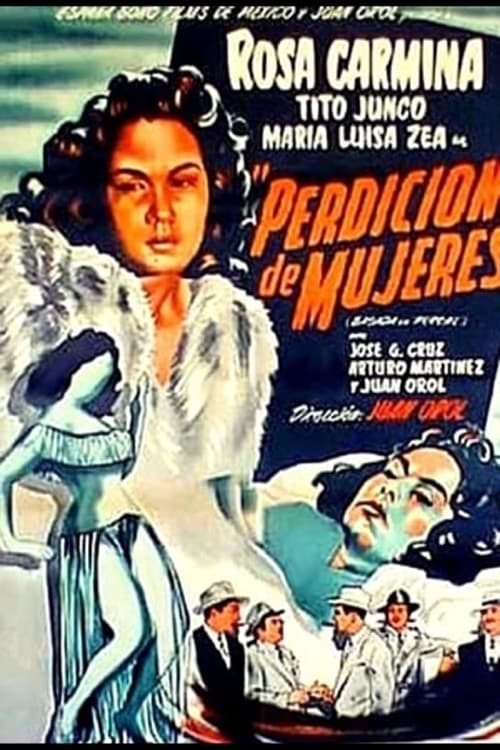
1951
No reviews yet. Be the first to share your thoughts on this movie!
Use the rating form above to leave a star rating and optional review.