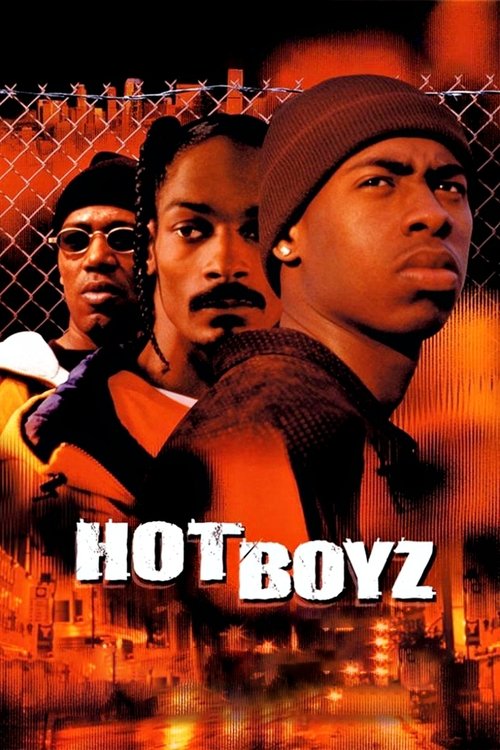
Hot Boyz
2000
No user ratings available yet
Representation score: 3.3 out of 10
No Poster Available
Representation Score
Limited
2002
RRuntime
84 minutes
Average Rating
No ratings yetNew Showbiz Analysis
Bling Bling is a crime-action student film focusing on the predatory nature of the music industry. The plot revolves around a revenge arc triggered by a corrupt executive's mismanagement and violence against artists. The film excels in its thematic critique of institutional corruption and capitalism. It highlights personal ability to act and the consequences of corporate exploitation. However, it falls short in representing diverse social identities. There is no visible inclusion of LGBTQ+ or disabled characters, and the gender dynamics remain entrenched in traditional male-dominated hierarchies.
Category Breakdown
The film does not include any characters with non-traditional gender identities. It stays within a conventional crime-genre framework that doesn't emphasize LGBTQ+ themes.
The power dynamics revolve around male-dominated environments, such as the corrupt executive and the vengeful brother. The story does not significantly challenge traditional gender roles.
The setting includes a rapper subculture and the music industry, which often feature diverse casting. However, there is no specific mention of multi-layered depth.
The story criticizes capitalist structures by showing a predatory record label. It portrays the industry as treating human lives as disposable assets.
There is no indication of characters with visible or invisible disabilities in the plot or character descriptions.
Present on Screen
Limited or Absent
Official Synopsis
A student film project, written, produced, and directed by Mark Clayborne with the assistance of the New York Digital Training Center. The story revolves around a corrupt record label, run by a man named Dice. Dice mismanages his artists, and then kills them when they try to break from their contracts. He goes one step too far when he has young rapper Little G killed, attracting the attention of the police and the vengeful wrath of Little G's brother.
2000
2017
1997
2003
2001

2005
2000
1988
No reviews yet. Be the first to share your thoughts on this movie!
Use the rating form above to leave a star rating and optional review.