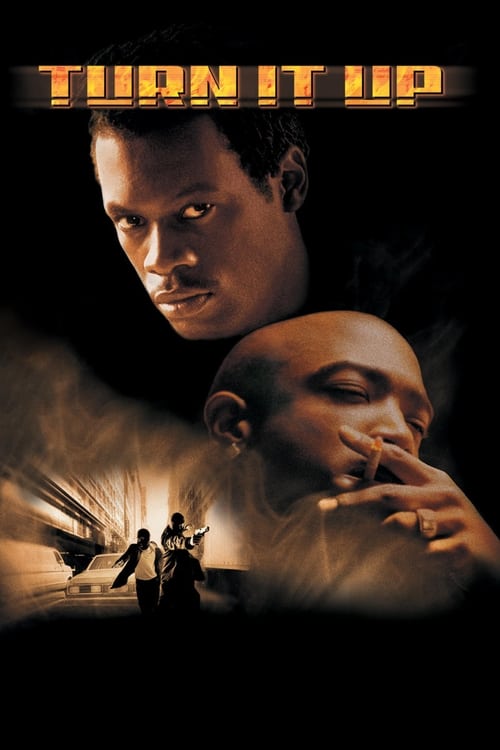
Turn It Up
2000
No user ratings available yet
Representation score: 4.6 out of 10
Representation Score
Minimal
1998
RDirector
Daniel Zirilli
Runtime
110 minutes
Average Rating
No ratings yetNew Showbiz Analysis
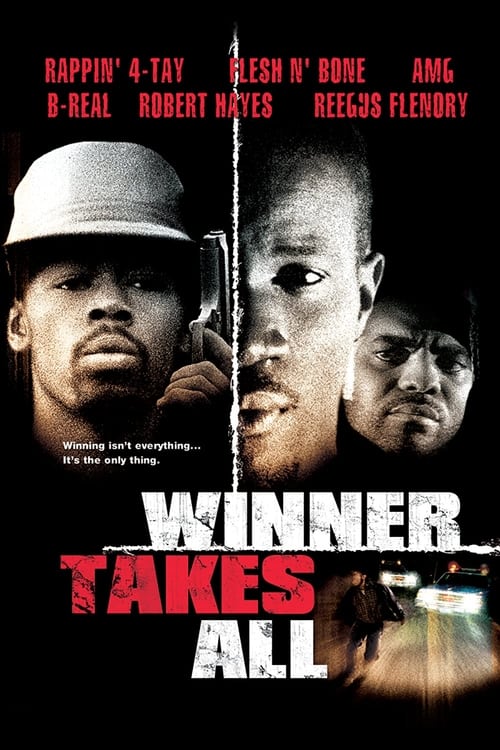
Winner Takes All follows a typical crime-and-redemption storyline. It traces the journey of two childhood friends from a hip-hop background as they transition from criminal activities to institutional service. While the film addresses urban socioeconomic pressures, it adheres to conventional storytelling structures. The narrative ultimately upholds state-sanctioned authority, reinforcing traditional social orders rather than challenging them.
Category Breakdown
The film does not include any characters with non-binary genders or same-sex relationships. It focuses solely on the journeys of two male characters.
The story revolves around male-driven narratives of crime and institutional service. Women are mentioned but do not have significant roles in driving the plot.
The film highlights urban socioeconomic pressures and hip-hop culture, providing a backdrop for exploring racial dynamics within systemic institutions.
The plot examines the tension between poverty and legality, with the protagonist finding redemption through assimilation into traditional Western institutions.
There is no mention of physical disabilities, neurodivergence, or mental health conditions. The narrative does not address these themes.
Present on Screen
Limited or Absent
Official Synopsis
Two rapper childhood friends turn to the quick and easy life of crime to support their needy parents. But after a foiled robbery, one of them is jailed while the other flees, changes his name, joins the military, and grows up to become a narcotics agent.
2000
1992

1989

2006
2005
1983

2010

1996
No reviews yet. Be the first to share your thoughts on this movie!
Use the rating form above to leave a star rating and optional review.