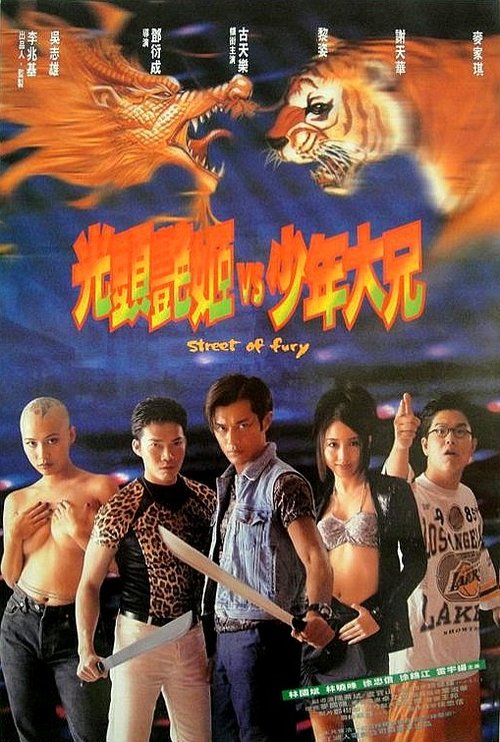
Street of Fury
1996
No user ratings available yet
Representation score: 2.1 out of 10
Representation Score
Limited
1989
RDirector
Robert Wise
Runtime
98 minutes
Average Rating
No ratings yetNew Showbiz Analysis
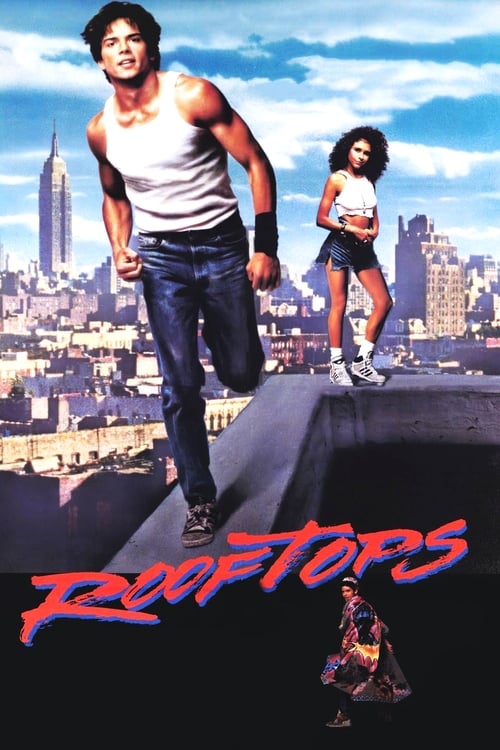
Rooftops adheres to the traditional crime-action clichés of the late 1980s. The narrative is heavily influenced by masculine combat and a lone protagonist's quest for vengeance, limiting its exploration of intersecting identities. Though the setting hints at a diverse, socio-economically disadvantaged urban community, the film lacks explicit representation of varied identities. The focus remains on a narrow, hyper-masculine social hierarchy. Overall, the film offers a conventional urban story that fails to challenge power hierarchies or gender roles effectively.
Category Breakdown
The film does not include any explicit mentions of LGBTQ+ characters or non-straight identities. The story centers around a male-dominated urban subculture without showing any queer presence or challenging straight assumptions.
The story emphasizes a hyper-masculine environment focused on streetfighting and combat. It follows a typical masculine storyline of revenge, with no indication of female empowerment or subversion of gender roles.
The urban setting and makeshift housing suggest a socio-economically disadvantaged community. This implies that characters of color or ethnic groups likely play key roles in the central conflict against local drug dealers.
The film examines systemic instability through characters living outside formal legal structures. While it portrays an unconventional community, it does not provide deeper cultural critique through anti-capitalist or secularist messaging.
There are no visible or invisible disabilities, neurodivergent traits, or chronic illnesses mentioned in the character descriptions or plot summary.
Present on Screen
Limited or Absent
Official Synopsis
T, as most of his friends, lives in a self-constructed 'house', built on top of an old building in the city. Their one passion is 'combat'. Combat is a dance/streetfight during which the contestants try to push each other out of the arena, while not allowed to actually touch each other. When drugdealers move into the neighbourhood and kill T's best friend he embarks on a mission to eradicate the drug-presence in the neigbourhood. His friends are reluctant to help though, knowing what happened to T's friend when he crossed them.
1996
1992
1995

2016
1999
1983
1992
1988
No reviews yet. Be the first to share your thoughts on this movie!
Use the rating form above to leave a star rating and optional review.