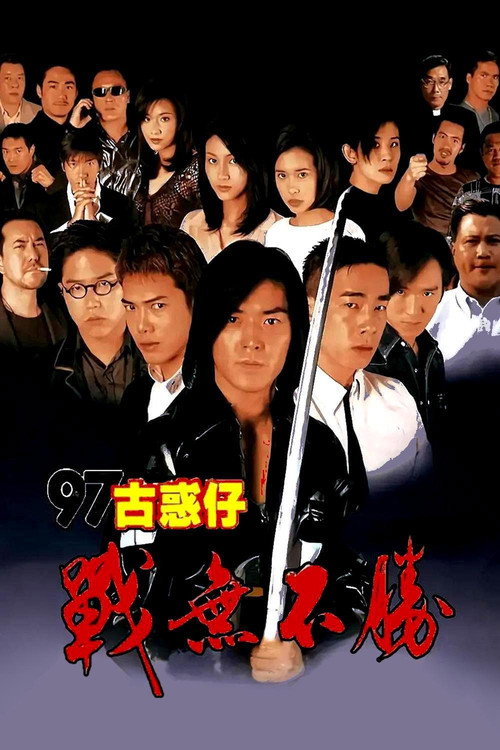
Young and Dangerous 4
1997
No user ratings available yet
Representation score: 3.8 out of 10
Representation Score
Minimal
1996
Director
Andrew Lau Wai-Keung
Runtime
99 minutes
Average Rating
No ratings yetNew Showbiz Analysis
Young and Dangerous is a culturally specific study of Hong Kong's triad subculture. It succeeds in disrupting conventional legalistic morality by framing criminal activity through a subjective code of honor and brotherhood. This provides a compelling look at localized ethical frameworks that oppose state authority. However, the film's narrative architecture is built on a foundation of hyper-masculinity and ethnic homogeneity. The lack of diverse representation limits its social scope, as the world remains centered on traditional male bonding and a singular demographic.
Category Breakdown
The film focuses on a strictly heterosexual and cisgender structure centered around masculine brotherhood. There are no LGBTQ+ subtexts or character arcs present in the narrative.
The story is predominantly male-centric, reinforcing traditional hierarchies. Women primarily serve as passive romantic interests or emotional anchors rather than active plot drivers.
The cast is largely homogeneous, reflecting the specific Cantonese-speaking working class of Hong Kong. It offers deep immersion into a localized subculture but lacks racial diversity.
The film explores moral relativism through the concept of 'yi' or brotherhood. It challenges state authority by prioritizing tribal loyalty over institutional legality.
There is no discernible representation of physical, sensory, or neurodivergent disabilities among the primary cast or within the character arcs.
Present on Screen
Limited or Absent
Official Synopsis
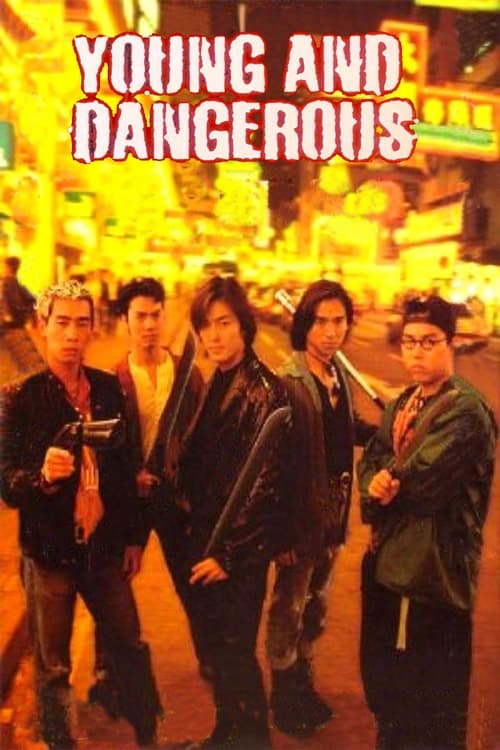
Five young hoodlums sing karaoke, murder, joke around, get beaten up, win and lose women, and learn the value of blind loyalty.
1997
1999
1996
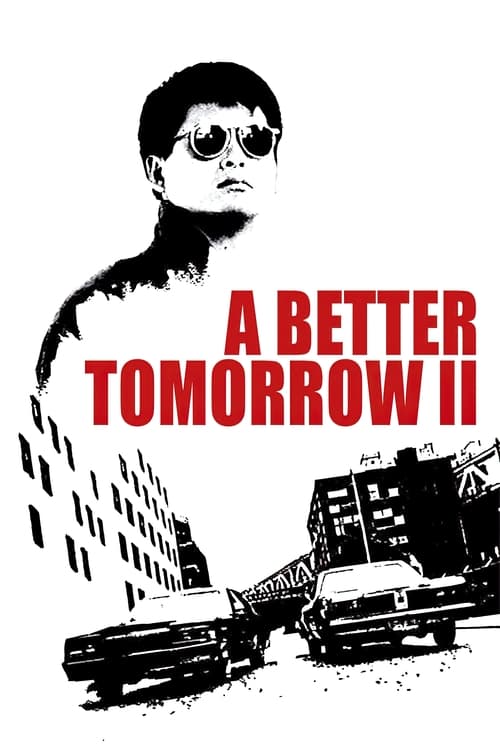
1987
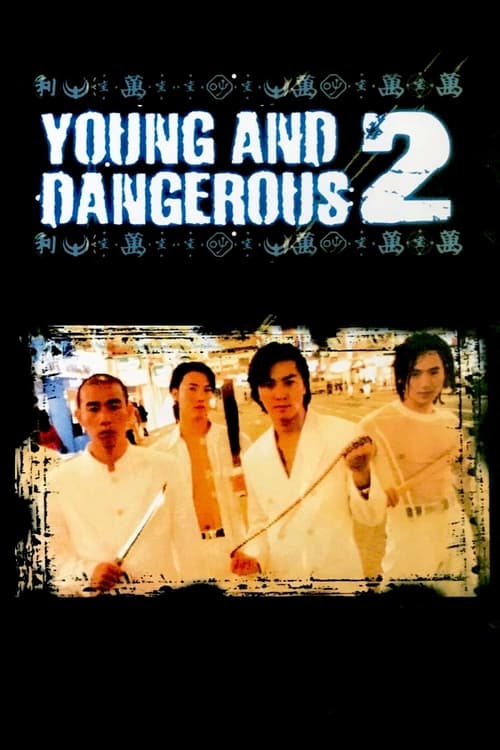
1996
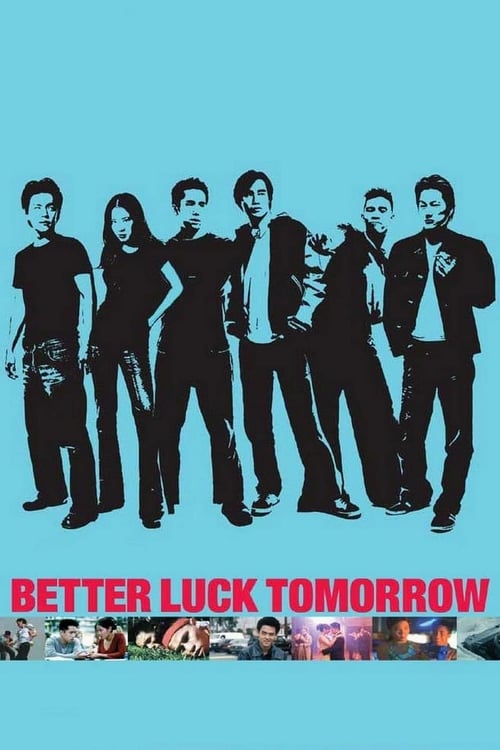
2003
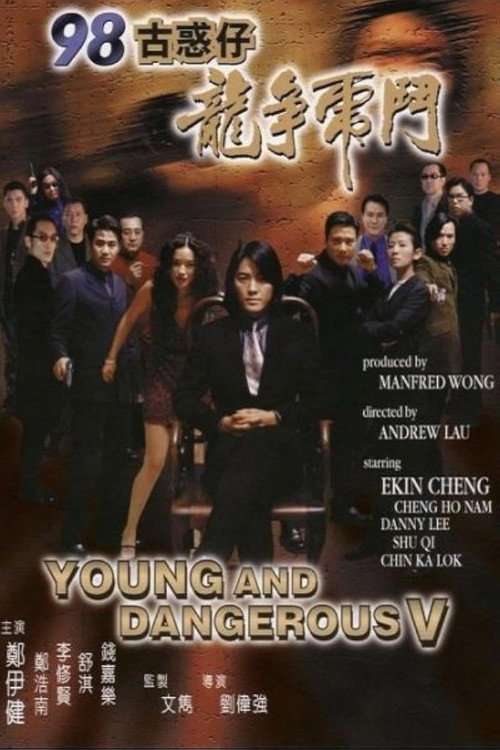
1998
1983
No reviews yet. Be the first to share your thoughts on this movie!
Use the rating form above to leave a star rating and optional review.