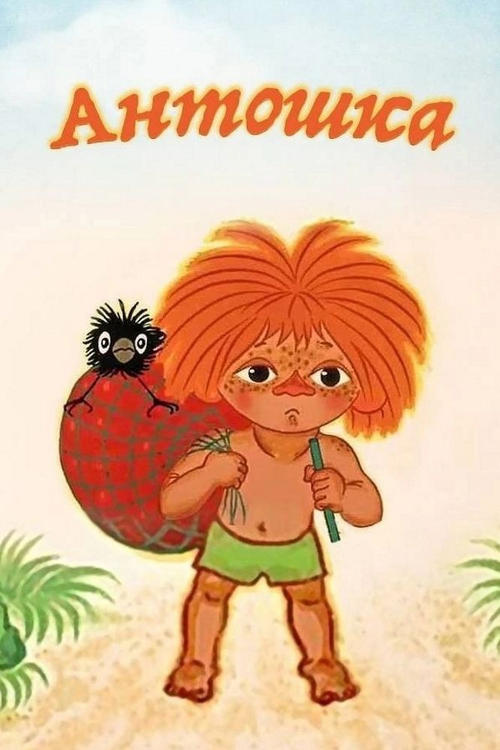
Antoshka
1969
No user ratings available yet
Representation score: 2.5 out of 10
Representation Score
Good
1971
Director
Leonid Nosyrev
Runtime
4 minutes
Average Rating
No ratings yetNew Showbiz Analysis
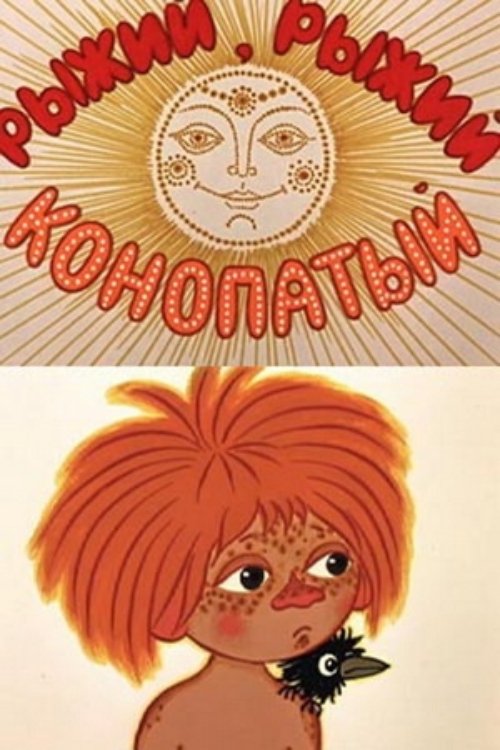
Leonid Nosyrev’s animation serves as a poetic fable about social perception and the fluidity of identity. Using the sun as a leveling force, the film challenges the conventional 'outcast' narrative. Instead, it presents a transformative, shared experience. The film’s strength lies in its metaphorical exploration of physical distinctions. It avoids rigid social structures and instead examines how environmental changes can neutralize perceived 'otherness.' This creates a nuanced perspective on how identity is shaped and redefined. However, the film’s brevity and focus on a single childhood experience limit its ability to delve deeply into broader social dynamics. While it effectively counters bullying, it remains a localized, metaphorical study rather than a comprehensive social critique.
Category Breakdown
The film does not include any explicit references to LGBTQ identities or dynamics that challenge heterosexual norms. The score reflects a neutral stance appropriate for this type of animated short.
The story centers on a child's experience, avoiding adult gender hierarchies and rigid patriarchal roles. It highlights childhood vulnerability instead.
Physical traits are used symbolically to question the binary distinction between 'normal' and 'different.' The film comments on the arbitrary nature of social categorization.
The story steers clear of institutional judgments and instead emphasizes a communal experience. It focuses on the shared human condition rather than individual social standing.
The main character's freckles serve as a visible difference that leads to social exclusion. The story transforms this perceived flaw into a universal human condition.
Present on Screen
Limited or Absent
Official Synopsis
About the red-haired boy everyone laughed at until the sun gilded everyone and everyone turned red.
1969
1986
1949
1981
1948
1963

1977
1971
No reviews yet. Be the first to share your thoughts on this movie!
Use the rating form above to leave a star rating and optional review.