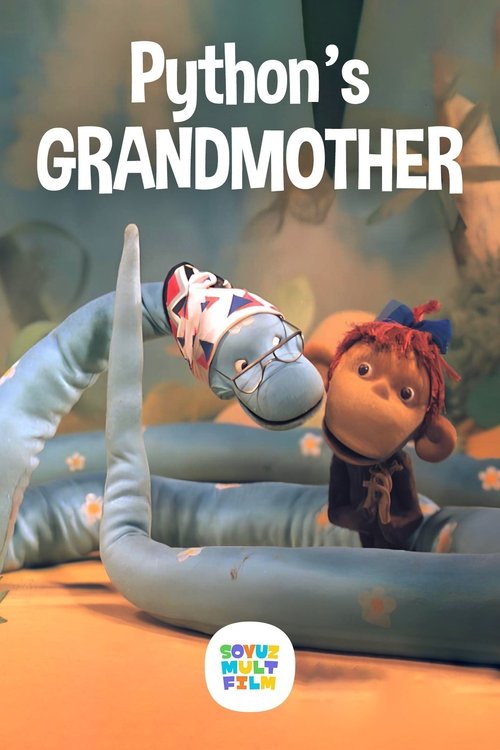
Python's Grandmother
1977
No user ratings available yet
Representation score: 3.4 out of 10

Representation Score
Good
1977
Director
Ivan Ufimtsev
Runtime
9 minutes
Average Rating
No ratings yetNew Showbiz Analysis
How to Cure Boa? uses allegorical storytelling to examine the tension between an individual and the collective. By focusing on a non-human protagonist, the film avoids explicit demographic markers but provides a sophisticated framework for discussing misunderstood identities. The narrative structure effectively critiques superficial problem-solving. The central conflict highlights how institutionalized attempts to 'fix' a subject can fail to address their fundamental nature. While the film lacks specific human identity markers, its themes of isolation and systemic failure provide a rich, symbolic landscape for exploring various forms of social and personal exclusion.
Category Breakdown
The film uses a non-human character to explore themes of being misunderstood by society. This can serve as a metaphor for underrepresented LGBTQ identities navigating societal norms.
The narrative focuses on interactions based on species rather than gender roles. There is no specific evidence showing a challenge to traditional gender hierarchies.
Using anthropomorphic animals allows for identity-neutral casting. This approach avoids traditional ethnic hierarchies and focuses on a universal exploration of the 'other'.
The story critiques institutionalized solutions and social systems. It highlights the disconnect between a collective's attempts to help and the individual's actual needs.
The Boa's mysterious illness acts as a metaphor for invisible disabilities or neurodivergence. It challenges the medical model by focusing on the gap between internal reality and external intervention.
Present on Screen
Limited or Absent
Official Synopsis
The Boa got sick. So everybody wants to treat him. In fact, nobody understood him.
1977
1979

1978
1977
1979

1976

1981
1977
No reviews yet. Be the first to share your thoughts on this movie!
Use the rating form above to leave a star rating and optional review.