
Klondike
1932
No user ratings available yet
Representation score: 2.0 out of 10
Representation Score
Limited
1942
ApprovedDirector
William K. Howard
Runtime
68 minutes
Average Rating
No ratings yetNew Showbiz Analysis
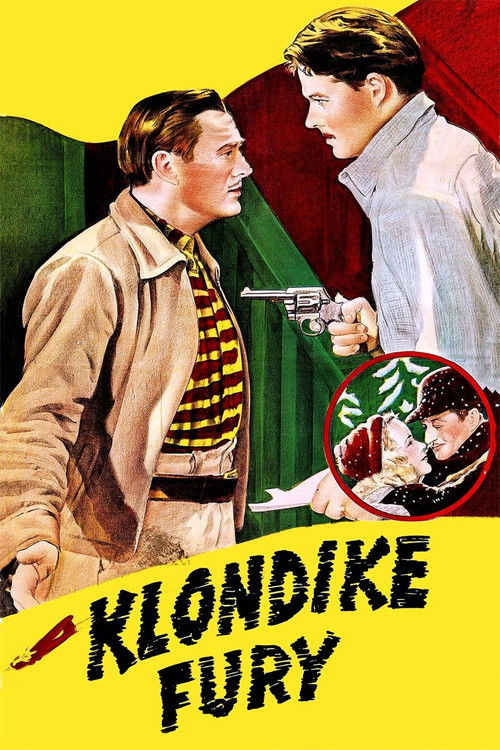
Klondike Fury is a product of the 1940s studio system, emphasizing classical heroism and individual responsibility. The narrative structure relies on conventional moral archetypes and traditional social hierarchies, offering little disruption to the established cultural norms of its time. The film's focus remains on a singular male arc of professional redemption. While the setting provides an adventurous backdrop, the character dynamics and thematic concerns remain deeply rooted in a homogeneous, Anglo-centric worldview. Ultimately, the film functions as a standard adventure drama. It reinforces traditional values of competence and stability rather than exploring diverse perspectives or systemic social complexities.
Category Breakdown
The film follows a traditional romance between a male protagonist and a woman. There is no representation of LGBTQ+ identities or narratives that question the assumption that everyone is straight.
The male protagonist drives the plot through his professional journey and physical challenges. The female character supports him, reinforcing the traditional gender roles of the 1940s.
The film features a homogeneous cast set in Alaska, suggesting a lack of diverse representation. The Anglo-centric perspective is typical of the era's depiction of Western expansion.
Themes of professional redemption and individual merit reinforce traditional Western values. The story emphasizes moral righteousness and social stability without critiquing systemic issues.
Medical crises and the aftermath of a crash serve as plot devices for character development. The film does not explore the lived experience of disability in depth.
Present on Screen
Limited or Absent
Official Synopsis
In this Alaskan adventure, a surgeon becomes a pilot after he messes up an operation. Unfortunately, he crashes during a storm and finds himself cared for by a lovely woman. He gets a chance to reclaim his self-esteem when her son suddenly needs the same operation the surgeon botched.
1932
1939
1937
1925
1942
1940
1942
1939
No reviews yet. Be the first to share your thoughts on this movie!
Use the rating form above to leave a star rating and optional review.