Élie & Dieudonné
1993
No user ratings available yet
Representation score: 5.0 out of 10
Representation Score
Fair
1987
Director
Serge Meynard
Runtime
90 minutes
Average Rating
No ratings yetNew Showbiz Analysis
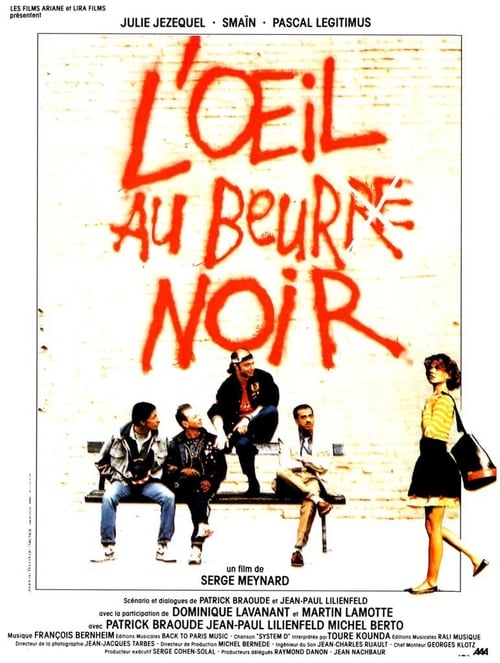
L'Œil au beur(re) noir stands out for its focus on racial and ethnic the way different parts of someone's identity overlap. By centering the story on Denis and Rachid, the film challenges the homogeneity of the era's cinematic landscape. The narrative uses humor to address serious socio-political issues, particularly housing discrimination in Paris. This approach gives underrepresented characters significant influence as they face systemic exclusion. While the film excels in racial representation, it remains limited in other areas. Gender roles are traditional, and there is no representation of LGBTQ+ or disability-focused narratives.
Category Breakdown
The film does not include any characters who identify as LGBTQ+ or have non-traditional gender identities. The story focuses primarily on racial and ethnic dynamics within a conventional social structure.
Virginie is the main character who drives the plot and controls access to the apartment. However, her motivations align with traditional social prejudices rather than challenging gender hierarchies.
The story centers around a Black man and an Algerian man navigating the Parisian environment. This focus disrupts the Eurocentric norms of 1980s French cinema by making racial identity the central conflict.
The film examines the tension between immigrant identities and Western social structures. It highlights systemic biases and social stratification through the housing market.
There are no characters with visible or invisible disabilities mentioned in the narrative.
Present on Screen
Limited or Absent
Official Synopsis
Denis and Rachid, a black and an Algerian, are looking for an apartment in Paris. Both meet Virginie, whocould rent them the vacant apartment of her stepfather, but she'd rather rent to some low-lifes than to a black or an Algerian.
1993

2020
1989

1997

2011
1990
1996

2012
No reviews yet. Be the first to share your thoughts on this movie!
Use the rating form above to leave a star rating and optional review.