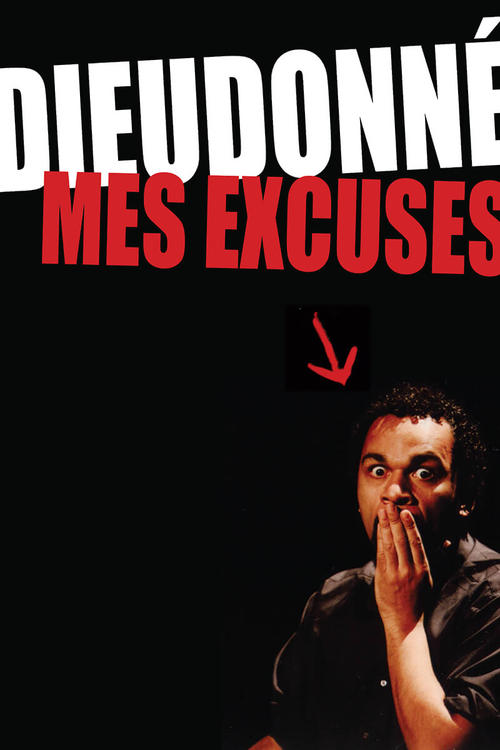
Dieudonné - Mes excuses
2005
No user ratings available yet
Representation score: 4.5 out of 10

Representation Score
Good
2012
Director
Dieudonné
Runtime
94 minutes
Average Rating
No ratings yetNew Showbiz Analysis
L'Antisémite primarily serves as a character study of social prejudice. It leverages the tension between ethnic and religious identities to create a comedic structure, highlighting identity-based conflicts. While the film lacks diverse representation, such as LGBTQ+ or neurodivergent characters, it centers on ethnic identity to challenge viewers. Traditional power dynamics and a medical crisis drive the plot, raising questions about the depth of its disability and gender portrayals.
Category Breakdown
The film does not explicitly include LGBTQ+ characters or explore non-straight relationships. The story focuses on a heterosexual marriage.
A female character plays a significant role in driving the plot due to her medical condition. However, traditional power dynamics persist, with the husband acting as the main intermediary.
The story uses ethnic and religious differences as a source of comedy. By featuring a Jewish psychiatrist and an anti-Semitic character, it challenges homogeneous casting norms.
The film explores religious identity through the lens of social friction. It highlights a critique of prejudice but does not delve deeply into specific institutional values.
A character's terminal cancer introduces themes of physical vulnerability. It is unclear whether the illness is portrayed in a nuanced manner or simply as a plot device.
Present on Screen
Limited or Absent
Official Synopsis
A woman suffering from cancer, seeing herself dying, asks her husband to consult a jew psychiatrist in order to get his anti semitism treated. The meeting between these two figures will give place to a kind of comic situation.
2005

2020
2015

2017

2017

2018

2016

2014
No reviews yet. Be the first to share your thoughts on this movie!
Use the rating form above to leave a star rating and optional review.