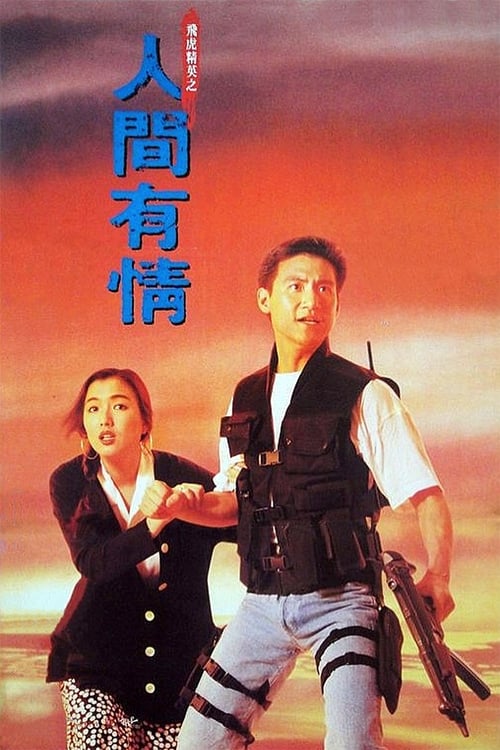
Best of the Best
1992
No user ratings available yet
Representation score: 2.8 out of 10
Representation Score
Limited
1990
Director
Teddy Robin
Runtime
87 minutes
Average Rating
No ratings yetNew Showbiz Analysis
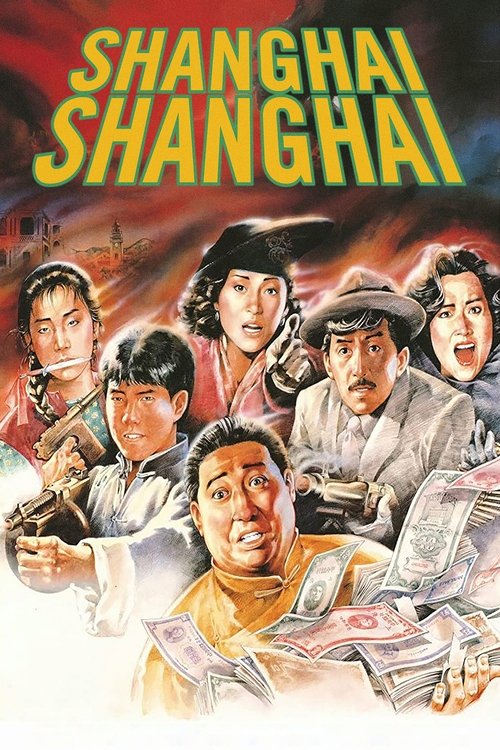
Shanghai Shanghai is a genre-driven action drama that emphasizes martial arts and systemic conflict over demographic diversity. It excels at portraying social friction and the corruption of authority, offering a nuanced look at institutional morality. However, the film lacks modern representations of LGBTQ+ identities or individuals with disabilities. The narrative remains heavily centered on traditional masculine archetypes and male-centric action clichés.
Category Breakdown
The film does not include any LGBTQ+ characters or relationships that go beyond the assumption that everyone is straight. The romantic tension revolves around a traditional relationship between Big Tiger and Mary.
The story centers on masculine archetypes and martial arts clichés. However, Mary plays a significant role by joining a revolutionary movement instead of taking on a traditional domestic role.
The film offers a strong representation of Chinese identity and heritage. It focuses on the localized ethnic identity within a specific East Asian urban setting.
The narrative provides a sophisticated critique of systemic corruption. It challenges institutional infallibility by pitting protagonists against corrupt police and organized crime.
There is no evidence of characters with visible or invisible disabilities. The film does not feature neurodivergent representation.
Present on Screen
Limited or Absent
Official Synopsis
Little Tiger ventures from the sticks to the big city in search of his cop brother Big Tiger, an honest cop working in a corrupt system. Surmising that life in the police force was not his cup of tea, Little Tiger joins the Swallow Acrobatic Troop, which he excels in because of his kung-fu prowess. When a band of thugs from Chin Hung-yun's group attacks the troop, Little Tiger not only handily fights them back but also infiltrates their organization to destroy them from the inside. Meanwhile, Big Tiger's old flame Mary returns from America to join the revolutionaries. Big Tiger soon finds himself torn between his love of this girl and his orders to arrest all revolutionaries.
1992
1987
1973
1987
1973
1973
1997
1986
No reviews yet. Be the first to share your thoughts on this movie!
Use the rating form above to leave a star rating and optional review.