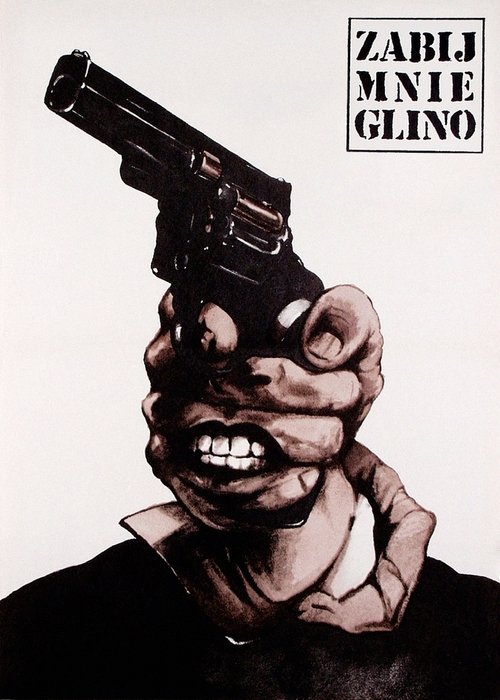
Kill Me, Cop
1988
No user ratings available yet
Representation score: 2.3 out of 10
Representation Score
Limited
2016
Director
Patryk Vega
Runtime
133 minutes
Average Rating
No ratings yetNew Showbiz Analysis
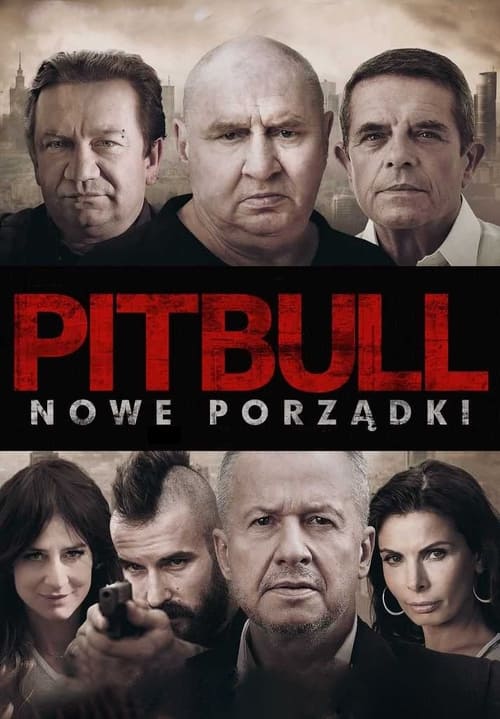
Pitbull: Public Orders is a gritty crime thriller that focuses on critiquing systemic issues rather than broadening demographic representation. While it offers a sophisticated deconstruction of institutional corruption and moral relativism, it remains centered on traditional social hierarchies. The film's strength lies in its subversion of authority, yet it lacks diversity in casting and character development. The narrative environment is predominantly male-dominated and ethnically uniform, reflecting a narrow socio-cultural perspective.
Category Breakdown
The film does not include any LGBTQ+ characters or storylines, focusing solely on heterosexual relationships.
The narrative centers around male-driven power and violence, while female characters play secondary roles and have limited influence over the main storyline.
The cast is predominantly made up of a similar demographic, presenting a localized perspective of contemporary Polish urban life.
The film effectively challenges the concept of institutional morality by depicting law enforcement as corrupt and predatory.
The film does not significantly address neurodivergence or physical disabilities, and characters are portrayed within typical crime genre conventions.
Present on Screen
Limited or Absent
Official Synopsis
Policemen from two precincts are joining forces to fight the Mokotowska Group.
1988
2016
1977

2004
2014
2005
2017
2018
No reviews yet. Be the first to share your thoughts on this movie!
Use the rating form above to leave a star rating and optional review.