
The Trough
2018
No user ratings available yet
Representation score: 4.5 out of 10
Representation Score
Fair
2016
Not RatedDirector
Kim Sung-soo
Runtime
136 minutes
Average Rating
No ratings yetNew Showbiz Analysis
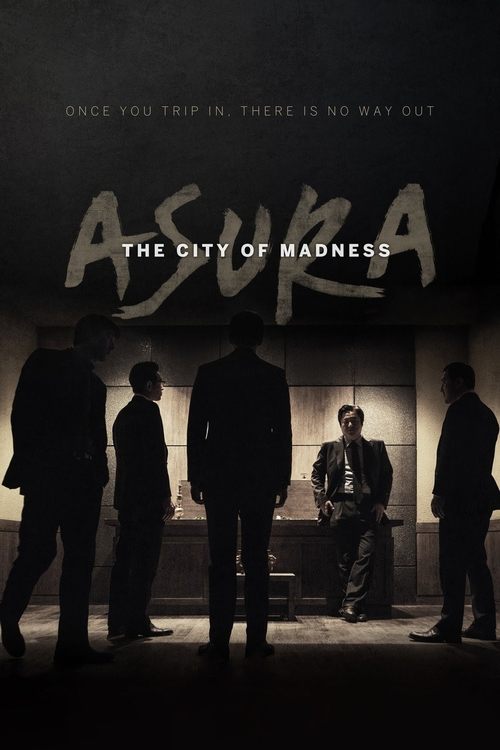
Asura: The City of Madness is a visceral neo-noir that prioritizes systemic critique over broad demographic representation. While it fails to include LGBTQ+ or significant female perspectives, it excels in its cultural deconstruction of institutional corruption. The film replaces the heroic detective cliché with a postmodern exploration of decay, trading traditional social contracts for a landscape of moral relativism. Ultimately, the film's strength lies in its thematic depth regarding societal decay, even as it remains narrow in its representation of identity.
Category Breakdown
The film does not include any representation of LGBTQ+ identities or non-assuming gender matches what was assigned at birth narratives.
Female characters play minor roles and are largely excluded from the main political and criminal conflicts.
The cast is predominantly South Korean, with socioeconomic diversity serving as a proxy for class-based identity politics.
The film portrays civic institutions as predatory and morally ambiguous, replacing traditional morality with a gritty, situational ethics.
There is no meaningful focus on neurodivergence or physical disabilities, which are primarily used as tools of narrative violence.
Present on Screen
Limited or Absent
Official Synopsis
A shady cop finds himself in over his head when he gets caught between Internal Affairs and the city’s corrupt mayor.
2018

2019
2019

2004

2006
2015

2014

2006
No reviews yet. Be the first to share your thoughts on this movie!
Use the rating form above to leave a star rating and optional review.