The Last Bullet
1973
No user ratings available yet
Representation score: 3.2 out of 10
Representation Score
Limited
1988
Director
Jacek Bromski
Runtime
122 minutes
Average Rating
No ratings yetNew Showbiz Analysis
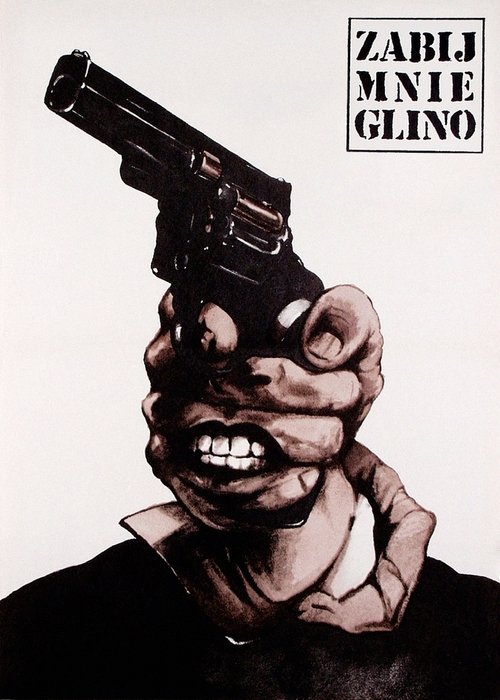
Kill Me, Cop is a dark, postmodern critique of state authority in late-communist Poland. It replaces traditional heroic stories with a cynical view of the erosion of institutions, blurring the lines between law enforcement and criminality. While the film provides a sophisticated critique of systemic corruption and the role of protectors, it remains demographically narrow. The narrative centers on a hyper-masculine conflict, leaving little room for diverse identities. Ultimately, the film’s strength lies in its cultural critique of the social order rather than its broad demographic representation.
Category Breakdown
The film focuses on a hyper-masculine conflict and does not include any queer narratives or non-cisgender identities.
The film emphasizes male hierarchies in both the police force and criminal organizations. Female characters have limited roles and do not significantly influence the plot.
The cast is predominantly homogeneous, reflecting the specific socioeconomic context of late-communist Poland. The film does not explore diverse casting or multiple layers of identity.
The film effectively critiques institutional stability and state authority, portraying the police as corrupt and morally ambiguous.
The film does not feature any characters with visible or invisible disabilities. The central conflict between the criminal and officer does not address these perspectives.
Present on Screen
Limited or Absent
Official Synopsis
The story is a duel between criminal-on- the-run and the cop who put him behind the bars the first time around.
1973
1983

2016
1988
1987
1991
1977

1984
No reviews yet. Be the first to share your thoughts on this movie!
Use the rating form above to leave a star rating and optional review.