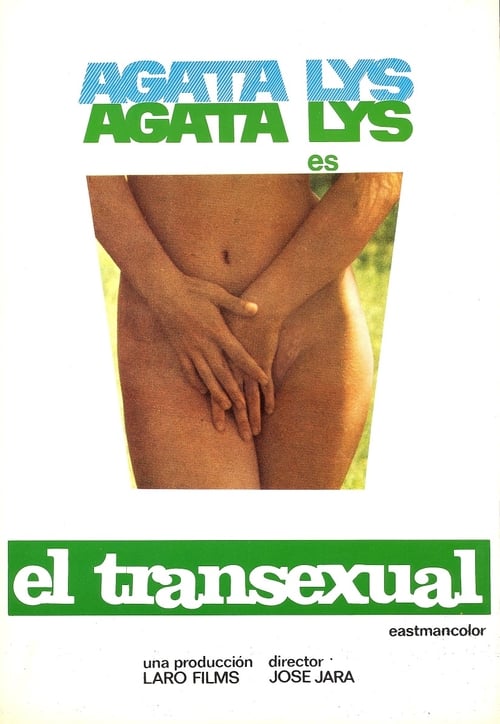
The Transsexual
1977
No user ratings available yet
Representation score: 4.7 out of 10

Representation Score
Fair
1977
Director
Vicente Aranda
Runtime
109 minutes
Average Rating
No ratings yetNew Showbiz Analysis
Vicente Aranda’s work is a significant historical marker that challenges biological essentialism. By centering on a protagonist undergoing gender reassignment, the film disrupts the assumption that everyone is straight or cisgender. It uses the journey of José María to explore the malleability of identity within rigid social systems. While the film is groundbreaking in its exploration of gender non-conformity, it lacks depth in representing diverse backgrounds. The setting remains culturally and racially homogeneous, which limits the scope of its social critique. Ultimately, the film's strength lies in its sophisticated approach to identity politics. It successfully deconstructs the gender binary, making it a transgressive and important piece of cinematic storytelling.
Category Breakdown
The film centers on a trans-masculine narrative, providing a focused exploration of gender reassignment and non-traditional gender identity. It moves beyond token appearances to delve deeply into these themes.
The film challenges traditional gender roles by presenting gender as a psychological and performative state rather than a fixed biological trait. This approach subverts conventional hierarchies.
The narrative focuses on a relatively homogeneous social environment with no significant multi-layered racial or ethnic diversity within the primary cast or story arc.
The story critiques restrictive social and institutional frameworks by prioritizing personal liberation. It adopts a stance of moral relativism, favoring the individual's internal truth over traditional societal dictates.
The film does not significantly portray physical or neurodivergent disabilities. The narrative focus remains strictly on gender identity and psychological transformation.
Present on Screen
Limited or Absent
Official Synopsis
Young José María goes through a painful journey until he discovers that he is a transsexual.
1977

1997

2002

2022
1972

1961

1993
2005
No reviews yet. Be the first to share your thoughts on this movie!
Use the rating form above to leave a star rating and optional review.