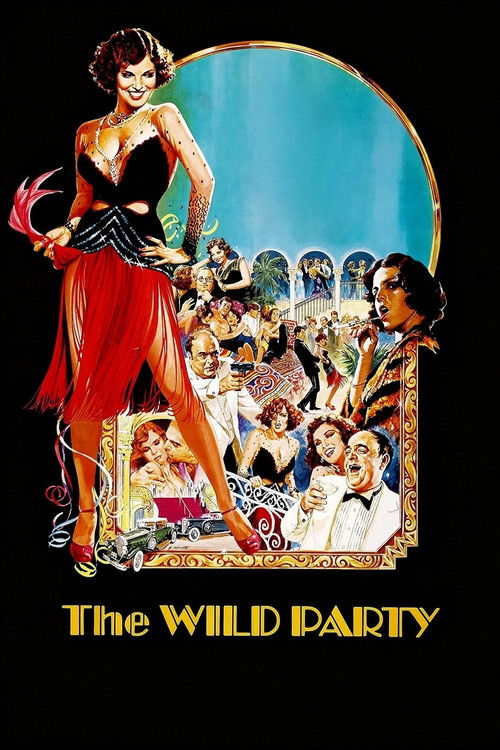
The Wild Party
1975
No user ratings available yet
Diversity score: 4.2 out of 10
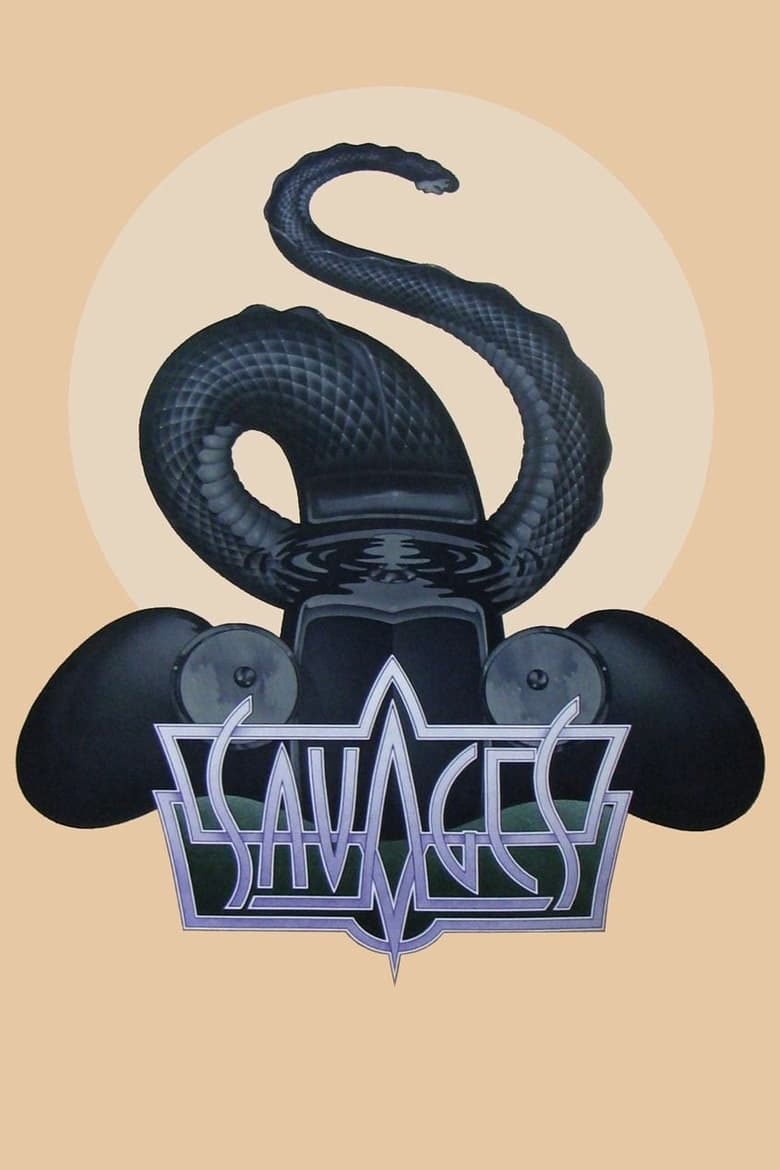
1972
Director
James Ivory
Runtime
106 minutes
Average Rating
No ratings yetSynopsis
A tribe of primitive "mudpeople" encounter a croquet ball, rolling through their forest. Following it, they find themselves on a vast, deserted Long Island estate. Entering, they begin to become civilized and assume the stereotypical roles and dress of people at a weekend party. There follows an allegory of upper-class behavior. At last, they begin to devolve toward their original status, and after a battle at croquet, they disappear into the woods.
Overall Score
Fair
Category Breakdown
LGBTQ+ Representation
The film lacks explicit queer narratives or non-heteronormative identities. The focus remains on broader social performances rather than specific LGBTQ+ agency.
Gender Representation
The narrative explores the constraints placed on women within rigid social strata. It highlights the tension between personal agency and the stifling expectations of etiquette.
Racial & Ethnic Diversity
The 'mudpeople' serve as a metaphorical proxy for the 'other' encountering Western artifacts. However, the lack of actual diverse casting in primary roles limits its impact.
Religious & Cultural Diversity
The film excels at critiquing Western institutions by portraying upper-class rituals as absurd and performative. It suggests that civilization is a transient, systemic construct.
Disability Representation
There is no discernible focus on physical or neurodivergent disabilities within the narrative.
Strengths
Areas for Improvement
AI Analysis
James Ivory’s *Savages* functions as a satirical allegory, using a group of primitive characters to deconstruct the performative nature of Western high society. The film effectively uses its premise to subvert the idea of social stability and class permanence. While the film succeeds in its intellectual critique of Western social orders and gendered repression, it lacks explicit intersectional representation. The reliance on metaphor rather than diverse casting prevents a higher score in racial and ethnic categories. Ultimately, the work is a study of social mimicry. It treats the rituals of the elite as a fragile costume, though it remains limited by a lack of modern identity-based representation.
No reviews yet. Be the first to share your thoughts on this movie!
Use the rating form above to leave a star rating and optional review.