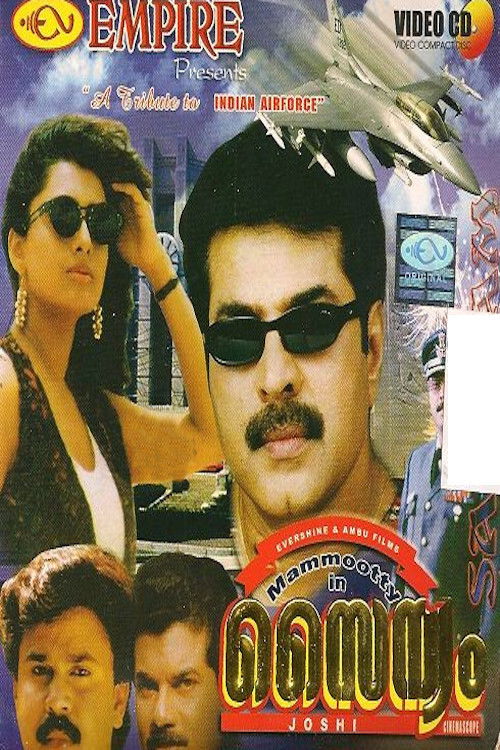
Sainyam
1993
No user ratings available yet
Diversity score: 2.7 out of 10

1989
Director
Joshiy
Runtime
157 minutes
Average Rating
No ratings yetSynopsis
Major Nair trains the new batch of trainees at the army training centre. Things take a turn when a dangerous criminal makes two of the trainees import drugs from the neighboring country.
Overall Score
Limited
Category Breakdown
LGBTQ+ Representation
The film lacks any discernible presence of non-cisnormative identities or same-sex intimacy. The narrative remains strictly focused on heteronormative social structures and traditional masculine archetypes.
Gender Representation
Narrative agency is concentrated almost exclusively in the male protagonist. Women are positioned in secondary or supportive capacities rather than as drivers of the plot, reinforcing conventional masculine authority.
Racial & Ethnic Diversity
As a regional Malayalam production, the cast is culturally homogeneous. It avoids problematic whitewashing or racial stereotyping, functioning instead as a localized narrative with a focused ethnic identity.
Religious & Cultural Diversity
The film promotes a traditionalist view of morality and institutional stability. It frames the struggle as a binary between a disciplined protector and lawless criminals, reinforcing an established moral code.
Disability Representation
There is no evidence of characters with visible or invisible disabilities being portrayed with agency. The film does not engage with neurodivergence or physical disability as a thematic core.
Strengths
Areas for Improvement
AI Analysis
Nair Saab is a quintessential example of late-1980s action cinema that prioritizes traditional social hierarchies and individualistic heroism. The narrative architecture centers on a disciplined military figure, emphasizing a singular, heroic perspective over intersectional character studies. The film reinforces a stable, traditionalist worldview where justice is delivered through established masculine leadership. It does not attempt to disrupt conventional expectations of gender, identity, or authority, focusing instead on moral clarity and the preservation of social order. Ultimately, the work reflects the cinematic priorities of its era, favoring the elevation of hyper-masculine protagonists and the reinforcement of institutional authority over the exploration of marginalized perspectives.
1993
1993
1988
2001

2004
1990
2008
2001

1962

2012
1987
2003
No reviews yet. Be the first to share your thoughts on this movie!
Use the rating form above to leave a star rating and optional review.