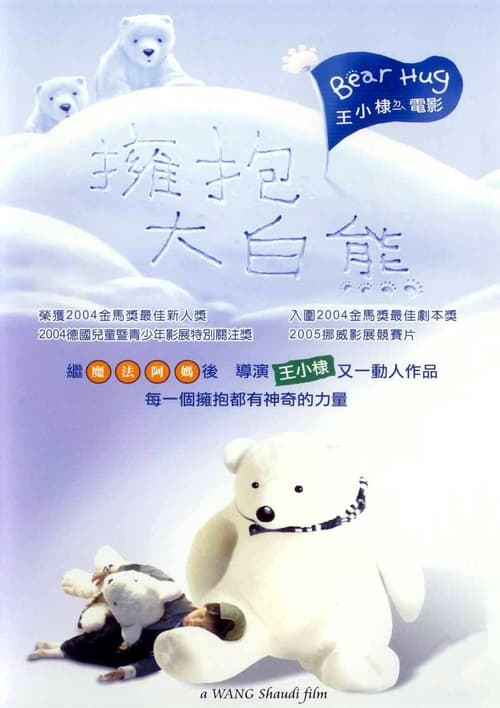
Bear Hug
2004
No user ratings available yet
Representation score: 4.8 out of 10
Representation Score
Fair
2003
Director
Wulan Tana
Runtime
100 minutes
Average Rating
No ratings yetNew Showbiz Analysis
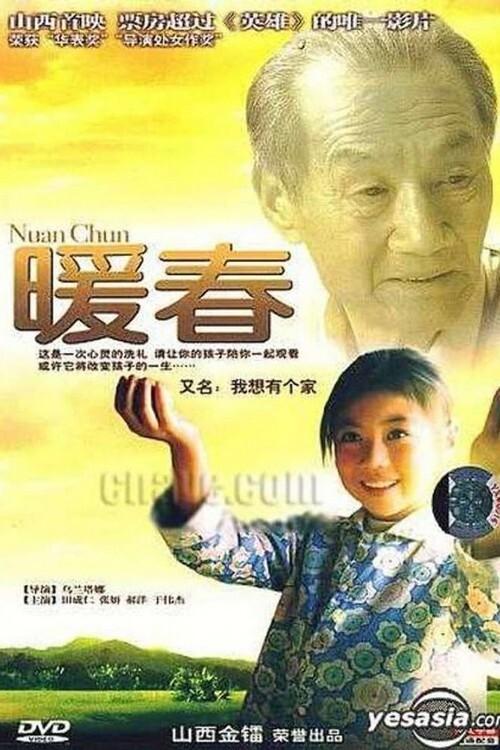
Warm Spring is a domestic drama that challenges the stability of traditional household hierarchies. By focusing on the introduction of a foster child, the film explores the complexities of chosen kinship. Though the film does not explicitly represent LGBTQ+ or disability issues, it effectively critiques established social hierarchies. The tension between the father's benevolence and the son's adherence to tradition provides a nuanced look at familial obligations. Overall, the film serves as an examination of how traditional family structures can be exclusionary, offering a localized perspective on morality and domestic power struggles.
Category Breakdown
The film does not show LGBTQ+ identities or same-sex relationships. Instead, it highlights the tension between biological and foster families, challenging the traditional nuclear family structure.
The story questions male-dominated power by focusing on a conflict where an elderly father ignores his son's authority. The daughter-in-law demonstrates strong influence through her firm opposition to the foster child.
The film offers a local viewpoint grounded in its specific cultural setting. It concentrates on internal community interactions rather than a diverse cast of characters from various ethnic backgrounds.
The narrative questions strict views of the importance of biological families. It examines how traditional social systems and Confucian-aligned structures can be limiting or exclusive.
There is no information about the portrayal of physical or neurodivergent characters in this story.
Present on Screen
Limited or Absent
Official Synopsis
Family roles and responsibilities are questioned when an elderly father welcomes a foster child into his home despite the adamant disapproval of his son and daughter-in-law.
2004
2002
2015

1999
2021

2012

2019
1953
No reviews yet. Be the first to share your thoughts on this movie!
Use the rating form above to leave a star rating and optional review.