Burst City
1982
No user ratings available yet
Representation score: 7.2 out of 10
Representation Score
Fair
1980
Director
Gakuryu Ishii
Runtime
98 minutes
Average Rating
No ratings yetNew Showbiz Analysis
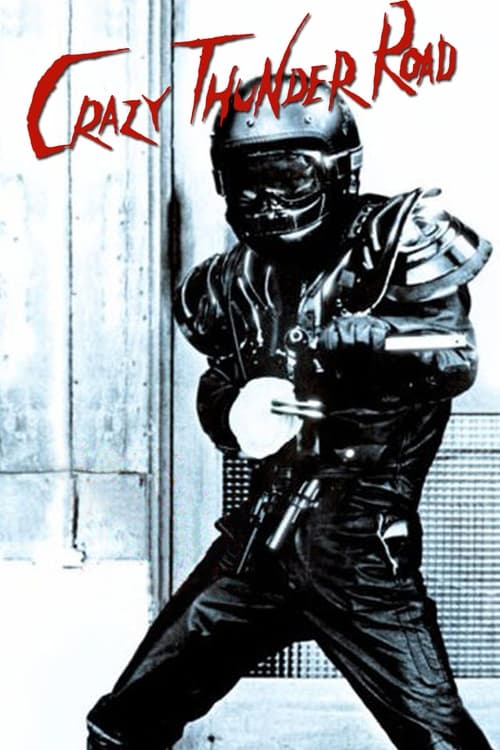
Crazy Thunder Road is a visceral study of youth rebellion that prioritizes subcultural identity over broad demographic representation. While it lacks representation for LGBTQ+ individuals and women, it finds its strength in its aggressive critique of social institutions. The film offers an authentic immersion into a specific 1980s Tokyo youth subculture. It trades traditional diversity for a deep, focused exploration of a specific underrepresented social class and its conflict with systemic order. Ultimately, the work serves as a seminal piece of systemic critique. It uses the punk ethos to deconstruct conventional morality and challenge the stability of established social hierarchies.
Category Breakdown
The film focuses on a hyper-masculine biker subculture where there is no explicit depiction of same-sex relationships or non-binary gender identities. Instead, it emphasizes heterosexual romantic relationships.
The power dynamics in the film are heavily skewed towards male-dominated hierarchies. Women are primarily portrayed as peripheral figures or romantic motivators rather than active participants in the central rebellion.
The cast is culturally homogeneous, reflecting a specific 1980s Tokyo urban youth subculture. The film avoids whitewashing by staying true to its specific cultural and temporal context.
The film effectively critiques established social structures using a nihilistic perspective that frames law enforcement and societal order as oppressive forces to be resisted.
There are no characters with visible or invisible disabilities in the film. The narrative prioritizes the physical prowess and kinetic energy of the biker gang.
Present on Screen
Limited or Absent
Official Synopsis
When Ken, the leader of the once-notorious biker gang of Tokyo, falls in love with a barmaid, he quickly loses his rebellious ideals. The rest of the gang feels betrayed, especially the reputedly troubled kid Jin who revolts against his former friend.
1982
1992

1970

1964
1970
1953

1972
1986
No reviews yet. Be the first to share your thoughts on this movie!
Use the rating form above to leave a star rating and optional review.