
The Salamander
1971
No user ratings available yet
Representation score: 5.0 out of 10
Representation Score
Fair
1996
Director
Alain Tanner
Runtime
114 minutes
Average Rating
No ratings yetNew Showbiz Analysis
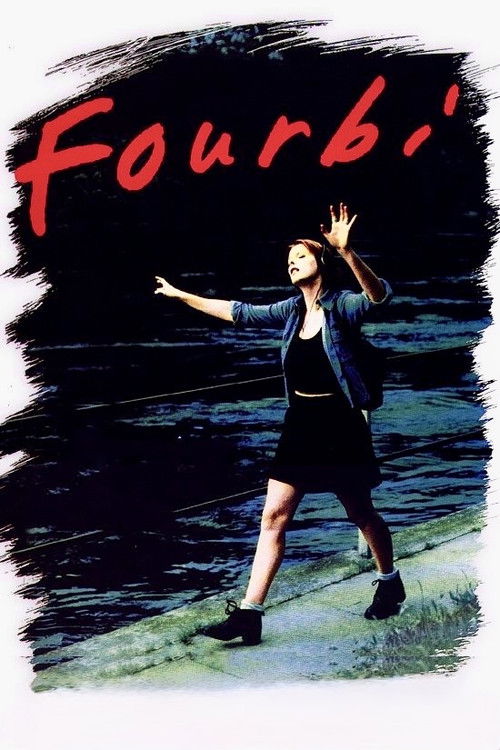
Alain Tanner’s work in *Fourbi* focuses on the tension between individual ability to act and societal structures. The film critiques media voyeurism and the commodification of personal trauma for television. It emphasizes human complexity over procedural resolution by shifting focus from a professional commission to spontaneous interpersonal connections, valuing subjective experiences over rigid, goal-oriented storytelling. While the film excels in portraying female autonomy and questioning institutional justice, it lacks specific data regarding racial or disability representation.
Category Breakdown
The film hints at non-traditional interpersonal dynamics through an actress girlfriend, but does not explicitly confirm any queer identities.
The story centers on Rosemonde's act of self-defense and her refusal to be interrogated by the male protagonist, disrupting traditional gender hierarchies and prioritizing her autonomy.
There is insufficient information available to assess the racial composition of the cast or the presence of diverse ethnic elements.
The film critiques Western media and the commodification of personal trauma, exploring subjective morality through a woman who acted outside the legal system.
The provided context contains no evidence regarding the depiction of physical or neurodivergent disabilities.
Present on Screen
Limited or Absent
Official Synopsis
Writer Paul attempts to interview Rosemonde, a young woman who killed an alleged rapist in self-defense six years prior, for a true crime television program. When Rosemonde refuses to divulge details of the events, Paul encourages his actress girlfriend to befriend her, but the three are repeatedly sidetracked from their initial commission.
1971

1964

1995
2013
2006
2000

1964
1967
No reviews yet. Be the first to share your thoughts on this movie!
Use the rating form above to leave a star rating and optional review.