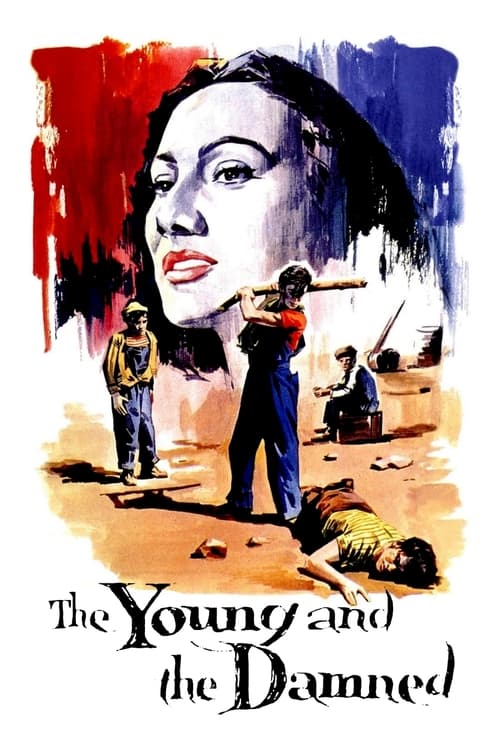
The Young and the Damned
1950
No user ratings available yet
Representation score: 7.3 out of 10
Representation Score
Limited
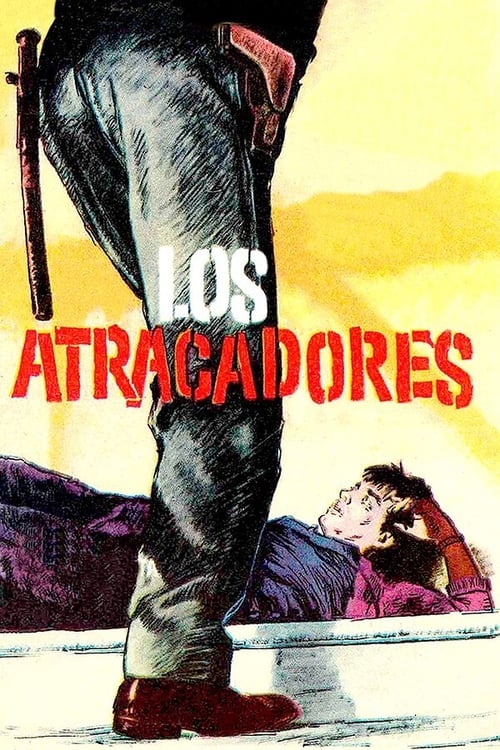
1962
Director
Francisco Rovira Beleta
Runtime
109 minutes
Average Rating
No ratings yetNew Showbiz Analysis
Los atracadores is a gritty study of social realism that prioritizes class conflict over identity politics. It effectively deconstructs the friction between the disenfranchised and the landed elite, using the 'Señorito' to represent systemic corruption. While the film lacks representation in terms of gender, race, or LGBTQ+ identities, it finds its strength in cultural critique. It replaces traditional moralizing with a nihilistic look at how economic pressures force individuals into transgression. Ultimately, the film is a localized exploration of Barcelona's class dynamics. It trades broad characters who reflect more than one aspect of diversity for a deep, critical look at the socioeconomic structures of 1962 Spain.
Category Breakdown
The film does not depict any non-binary or LGBTQ+ identities or same-sex relationships. It focuses solely on socioeconomic struggles and criminal activities.
The story revolves around a male-dominated criminal underworld. It follows three young men through a traditionally masculine plot structure without elevating women's roles.
The film focuses on class-based identity within Barcelona rather than ethnic diversity. It lacks diverse casting and focuses on the experiences of working-class individuals.
The film excels by critiquing traditional institutions and capitalist hierarchies. It challenges established morality by showing how systemic failures drive crime.
There is no evidence of characters with physical or neurodivergent disabilities. The narrative does not address disability representation.
Present on Screen
Limited or Absent
Official Synopsis
The film is divided into three parts: 'Restlessness', 'Violence' and 'Death', to explain the motivations, evolution and defeat of three young misfits from Barcelona who end up being robbers. The way of crime is an easy way for them: a boy and a worker without a job or benefit are induced by 'el Señorito', the son of a rich lawyer. Together they form a band. Hard and violent, the film is made with a clear intention of social criticism and research of realism, culminating in a final scene that raised quite controversial.
1950

1949
1954

1960

1951
1995
1961
1955
No reviews yet. Be the first to share your thoughts on this movie!
Use the rating form above to leave a star rating and optional review.