
The Last Woman
1976
No user ratings available yet
Representation score: 5.3 out of 10
Representation Score
Fair
1978
Director
Jean-Claude Guiguet
Runtime
86 minutes
Average Rating
No ratings yetNew Showbiz Analysis
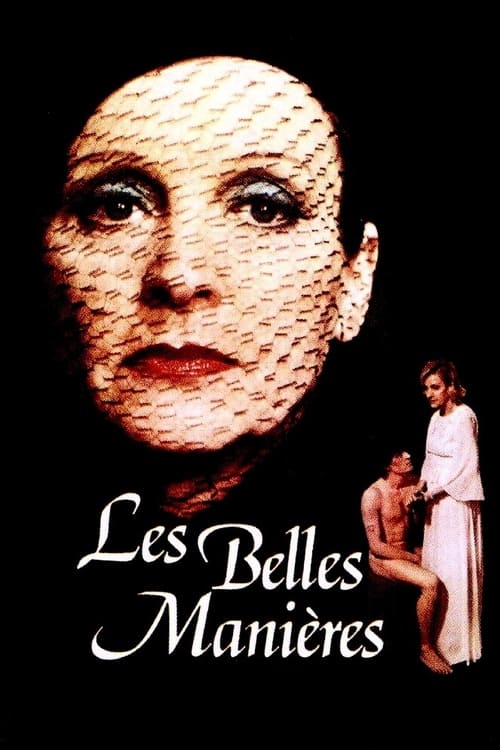
Fine Manners is a character-driven drama that emphasizes the tension between social classes over identity representation. The film delves into the psychological impact of social stratification and class-based morality. While it offers a critique of rigid social hierarchies, it lacks broader diversity and focuses primarily on European social archetypes.
Category Breakdown
There are no LGBTQ+ characters or non-straight-centered identities represented in the film.
Hélène Courtray holds a position of social and economic authority as a sophisticated woman. The film highlights her role in hiring the protagonist, showcasing her ability to act.
The film appears to focus on French class distinctions and homogeneous European social archetypes, lacking racial or ethnic diversity.
The film contrasts proletarian morality with an upper-class universe, highlighting the clash of social realities as a central narrative driver.
The reclusive son's isolation may hint at mental health or neurodivergence, but his role as a plot catalyst raises questions about his ability to act.
Present on Screen
Limited or Absent
Official Synopsis
Camille, a young, provincial, proletarian man works for Hélène Courtray, who is still beautiful and seductive. She's a sophisticated, cultivated and well-to-do woman who has engaged him to care for her reclusive son who has spent the past few years voluntarily locked up in his room. An encounter between two persons and two worlds where the relationship of the young man to this closed, strange and unknown universe rapidly turns tragedy.
1976

1950
1977

1974

1997

1958

1971
1977
No reviews yet. Be the first to share your thoughts on this movie!
Use the rating form above to leave a star rating and optional review.