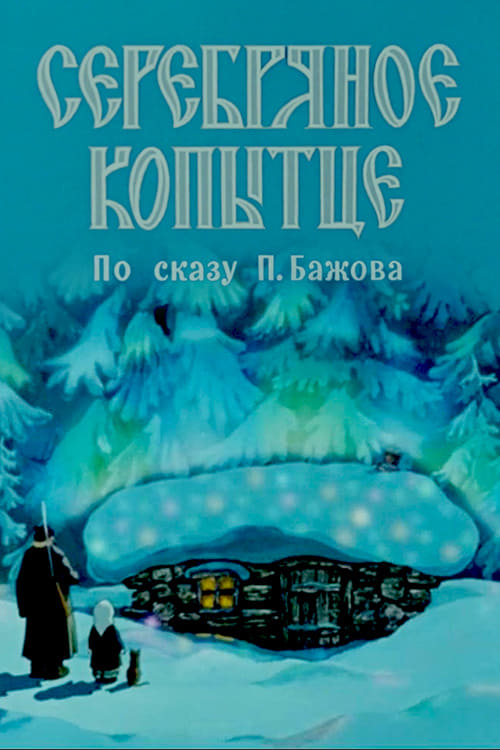
The Silver Hoof
1977
No user ratings available yet
Diversity score: 3.4 out of 10
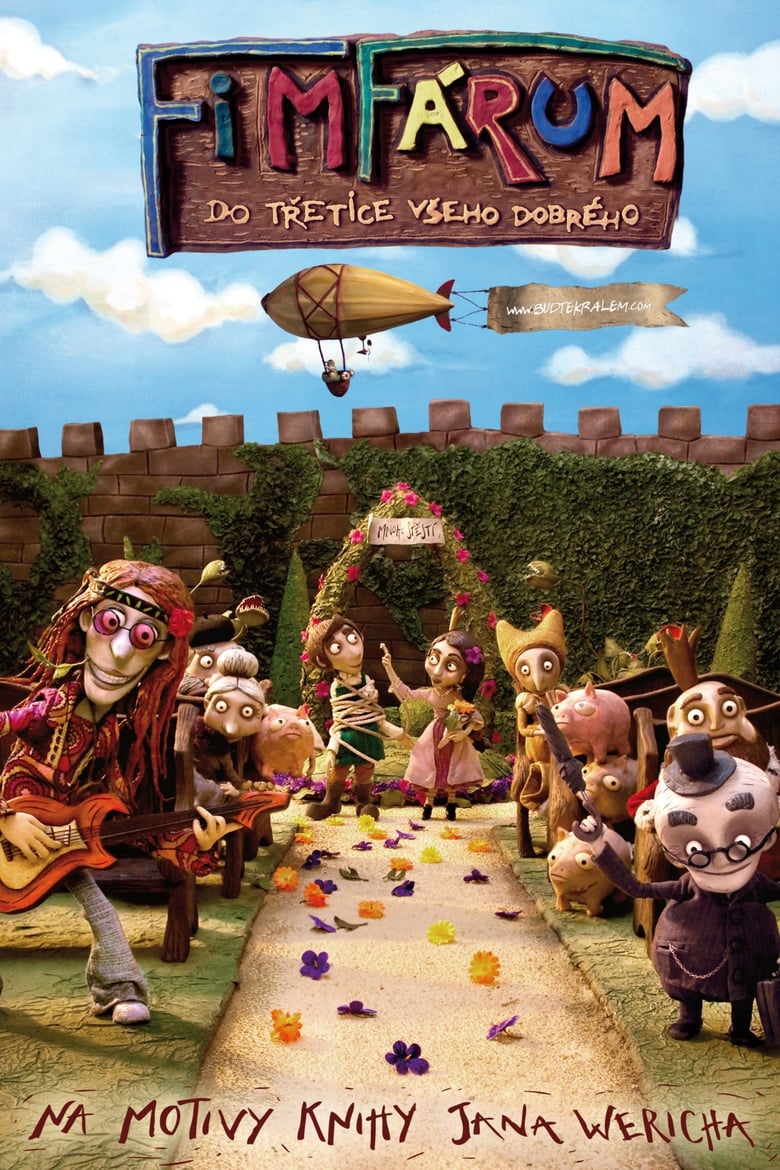
2011
Director
David Súkup, Kristina Dufková, Vlasta Pospíšilová
Runtime
75 minutes
Average Rating
No ratings yetSynopsis
The film contains three Jan Werich's fairy tales, each directed by one artist. The first story sets out to the Sumava mountains in Southern Bohemia to find out whether Ogres ever lived there. The middle tale The Hat and the Little Jay Feather concerns a king who sends his three sons to bring back a hat he left at a tavern when he was young. The third and longest fairy tale Reason and Luck is about the two virtues of the title try to prove their importance by changing the life of a pig herder named Louis. Written by
Overall Score
Limited
Category Breakdown
LGBTQ+ Representation
The film focuses on traditional folkloric archetypes like kings and ogres. There is no evidence of LGBTQ+ characters or narratives that challenge heteronormativity within these classic tales.
Gender Representation
Narratives center on male-centric archetypes, including a king's three sons and a pig herder. Agency is concentrated in male protagonists, following traditional folklore hierarchies.
Racial & Ethnic Diversity
The cast is homogeneous, reflecting the localized Czech setting of the source material. While non-human species appear, they do not serve as metaphors for racial intersectionality.
Religious & Cultural Diversity
This anthology serves as a preservation of Czech literary heritage. It prioritizes traditional moralistic fables and classical ethics through the personification of virtues.
Disability Representation
No visible or invisible disabilities are portrayed as central to the character arcs. There is no evidence of neurodivergence or physical disability driving the narrative.
Strengths
Areas for Improvement
AI Analysis
Fimfárum is an animated anthology that prioritizes stylistic fidelity to Jan Werich's classic Czech fairy tales over modern social commentary. The film functions as a piece of cultural preservation, leaning heavily into established European folklore tropes. Because the stories are rooted in traditional moralistic fables, the character dynamics remain conventional. The narrative architecture favors historical archetypes, which results in a lack of contemporary intersectional representation. Ultimately, the film is a localized, period-specific work. It succeeds in honoring literary heritage but does not attempt to subvert traditional gender, racial, or social hierarchies.
1977
1981
2025
1984

1961

2022
1983

1957
1958
1953
1962
1985
No reviews yet. Be the first to share your thoughts on this movie!
Use the rating form above to leave a star rating and optional review.