Dancing on a Dime
1940
No user ratings available yet
Representation score: 0.4 out of 10
Representation Score
Minimal
1936
ApprovedDirector
Joseph Santley
Runtime
70 minutes
Average Rating
No ratings yetNew Showbiz Analysis
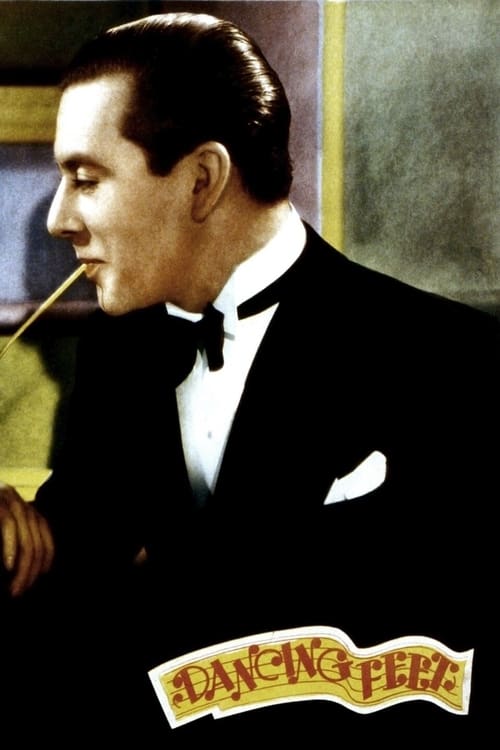
Dancing Feet is a quintessential 1930s musical comedy that prioritizes class mobility and romantic resolution. While the female lead breaks from her grandfather's rigid social expectations, her independence is framed through the lens of traditional courtship and financial maneuvering. The film lacks depth in reflecting multiple aspects of identity, focusing almost exclusively on the social dynamics of a homogeneous group. It functions as a standard period piece that reinforces the era's demographic and social norms rather than challenging them.
Category Breakdown
The film follows a strictly heterosexual romantic trajectory, focusing on marriage negotiations and traditional courtship between the leads.
Judy Jones shows a significant role in driving the story by choosing manual labor over social conformity. However, her autonomy is often tied to romantic and marriage-based motivations.
The narrative focuses on a homogeneous social stratum, emphasizing class distinctions rather than reflecting multiple aspects of diversity.
The story reinforces traditional Western social structures and patriarchal authority, centering on social mobility within existing capitalist frameworks.
There is no mention of characters with physical, sensory, or neurodivergent disabilities in the narrative.
Present on Screen
Limited or Absent
Official Synopsis
Peyton Wells (Ben Lyon) rescues Judy Jones (Joan Marsh) from a very dull young man, at a sedate party given for her by her multi-millionaire grandfather Silas P. Jones (Purnell Pratt.) Judy refuses to accompany Peyton on a slumming trip to a cheap dance hall, and Peyton dances with several of the dowagers and tells them that Silas is practically dying of scarlet fever. The guests hastily depart and Joan joins Peyton at the Dreamland Dance Hall. She is mistaken by Jimmy Cassidy (Edward J. Nugent) as one of the hostesses and decides to dance with him as a lark. One thing follows another and Judy gets disinherited and takes a job at the dance hall through Jimmy and his friend Mabel(Isabel Jewell.) Jimmy confides to Judy his ambition to become a dance instructor over the radio and Judy decides to help him but can't get the needed financial backing. She gets Peyton to front the money, promising him she will reconsider his offer of marriage if Jimmy's plan fails.
1940

1936
1940

1933
1942
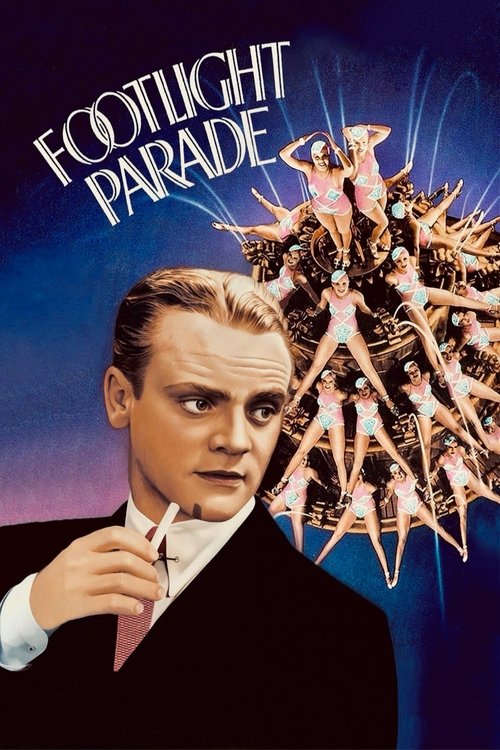
1933
1940
1934
No reviews yet. Be the first to share your thoughts on this movie!
Use the rating form above to leave a star rating and optional review.