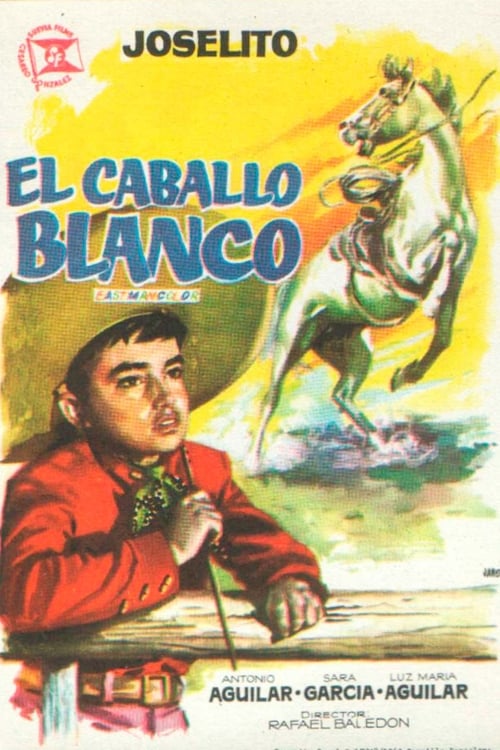
The White Horse
1962
No user ratings available yet
Diversity score: 3.8 out of 10

1946
Director
Raúl de Anda
Runtime
90 minutes
Average Rating
No ratings yetSynopsis
Curious film about the Mexican immigrant stunned by the dollar and the English language. The plot deals with a serious social mood, but narrated as a tale of romantic entanglements. Agustin Isunza is a funny former farm worker, whose employers, young and attractive blond Joan Page and Clifford Carr, dazzle the sibling pair starring Luis Aguilar and Amanda del Llano. Miguel Inclan, a rich potter from the area, has put his eye on them to marry their children, Katy Jurado and Raul Guerrero.
Overall Score
Fair
Category Breakdown
LGBTQ+ Representation
The film adheres to conventional 1940s romantic structures. The narrative focuses on heterosexual courtship and traditional romantic entanglements without exploring non-cisnormative identities.
Gender Representation
Female leads drive the romantic plot, yet characters primarily exist within a framework of marriageability. The film maintains a traditional hierarchy rather than subverting gender roles.
Racial & Ethnic Diversity
The story explores Mexican identity through the lens of cultural friction with Anglo-Saxon figures. It highlights the encounter between local protagonists and foreign influences like the English language.
Religious & Cultural Diversity
Themes of immigration and displacement are framed through melodrama and romantic tropes. The plot focuses on class mobility and traditional social structures rather than systemic critique.
Disability Representation
There are no visible or invisible disabilities depicted in the character descriptions provided.
Strengths
Areas for Improvement
AI Analysis
Guadalajara pues (1946) serves as a musical comedy that navigates the tension between Mexican identity and foreign modernity. It uses romantic entanglements to explore the social mood of immigration and the influence of the 'dollar.' While the film provides a platform for exploring ethnic identity and cultural friction, it remains tethered to the cinematic conventions of its era. The narrative prioritizes traditional melodrama and romantic resolution over a deep deconstruction of social or institutional hierarchies. Ultimately, the film functions as a study of mid-century social dynamics, centering on class and the clash between local traditions and encroaching foreign cultures.
1962

1943
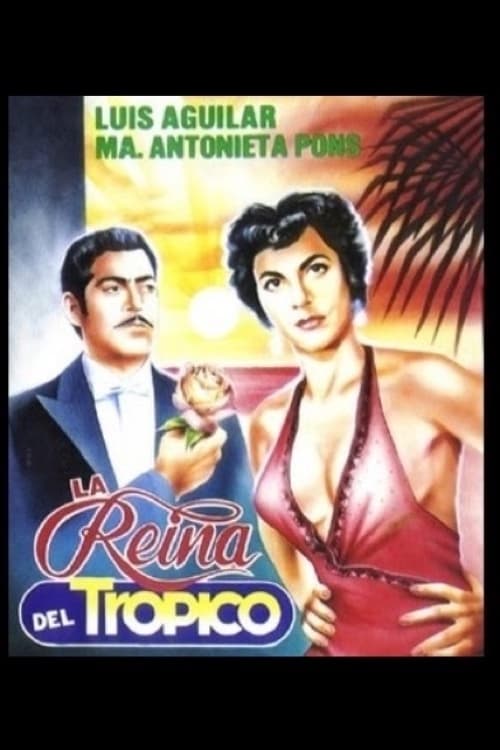
1946
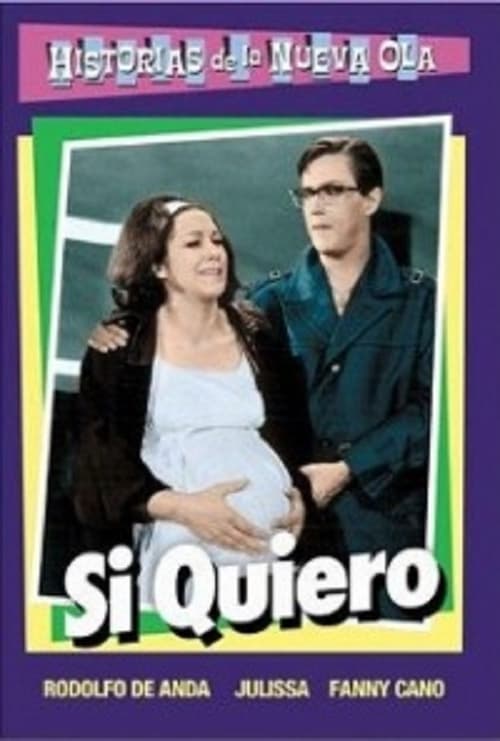
1967
No reviews yet. Be the first to share your thoughts on this movie!
Use the rating form above to leave a star rating and optional review.