
The Boy
2016
No user ratings available yet
Representation score: 3.3 out of 10
Representation Score
Minimal
2020
PG-13Director
William Brent Bell
Runtime
87 minutes
Average Rating
No ratings yetNew Showbiz Analysis
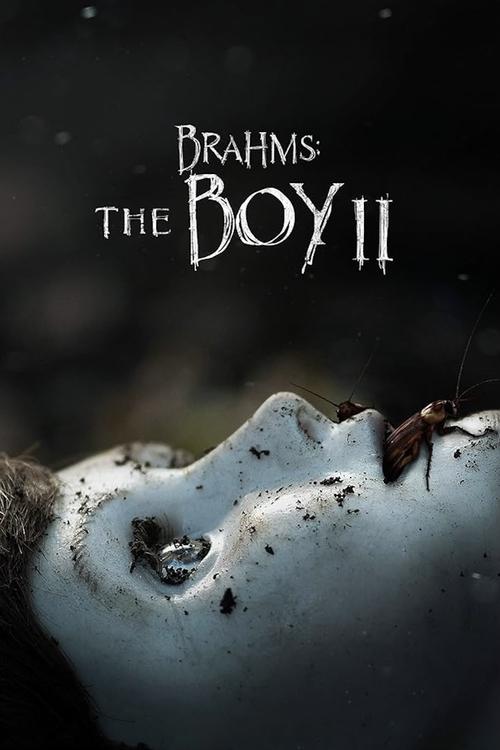
Brahms: The Boy II is a conventional horror film that prioritizes genre clichés over social exploration. The narrative focuses on psychological terror and the uncanny within a domestic setting, leaving little room for diverse representation. By centering a homogeneous, white, middle-class family, the film reinforces traditional Western-centric norms. It serves as a standard genre exercise rather than a medium for challenging established social or cultural hierarchies. Ultimately, the film's reliance on established archetypes and a narrow demographic focus results in a production that lacks intentionality regarding diverse representation.
Category Breakdown
The film does not include any LGBTQ+ characters or non-cisgender identities. The interpersonal dynamics are confined to a traditional family structure.
The female protagonist drives the emotional core through her maternal instincts. However, the story relies on standard gender roles without challenging traditional hierarchies.
The narrative centers around a homogeneous, white, middle-class family. There is no indication of racial diversity or varied ethnic backgrounds among the cast.
The story adheres to conventional Western social structures. It avoids exploring systemic oppression or diverse cultural critiques.
No characters are shown with visible or invisible disabilities. The struggles in the story are based on supernatural elements rather than lived experiences of neurodivergence or physical disabilities.
Present on Screen
Limited or Absent
Official Synopsis
After a family moves into the Heelshire Mansion, their young son soon makes friends with a life-like doll called Brahms.
2016

1976

2014
1988

2019

2003

2017

2013
No reviews yet. Be the first to share your thoughts on this movie!
Use the rating form above to leave a star rating and optional review.