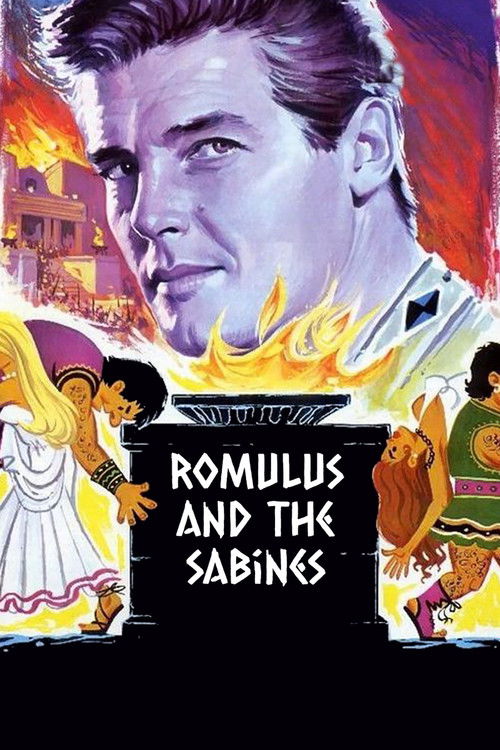
Romulus and the Sabines
1961
No user ratings available yet
Representation score: 0.3 out of 10
Representation Score
Fair
1962
Director
Alberto Gout
Runtime
80 minutes
Average Rating
No ratings yetNew Showbiz Analysis
The film functions as a traditional historical epic exploring the tension between tribal autonomy and expansionist Roman structures. It avoids being a simple tale of conquest by focusing on the trauma experienced by the Sabine people. While the film lacks modern multi-layered complexities, it uses the central conflict to examine how systemic power disrupts established social orders. The narrative tension relies on the struggle of women caught between two warring cultures.
Category Breakdown
The film follows the traditional Roman myths that assume everyone is straight or cisgender. There are no queer narratives or non-cisgender identities present.
The story focuses on the significant role of Sabine women who are forced into marriage. Their experiences provide a lens to critique patriarchal structures and gendered power dynamics.
The film's representation is limited to Mediterranean archetypes of the time. The conflict highlights tribal differences between Romans and Sabines as a proxy for ethnic and cultural distinctions.
The narrative critiques early Western expansionism by depicting the Roman state as a disruptive force. It portrays the 'civilizing' effort as a source of systemic social upheaval.
There is no depiction of physical or neurodivergent disabilities in this historical drama.
Present on Screen
Limited or Absent
Official Synopsis
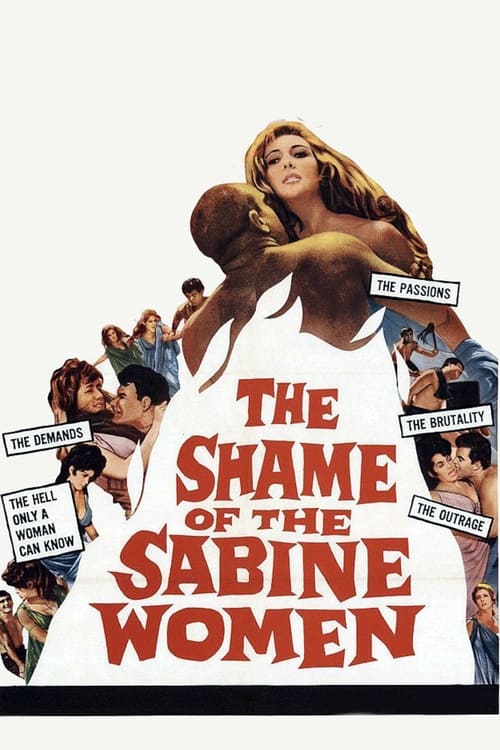
The Sabine tribe battles Romulus in the early days of Rome after Romans seize their women as unwilling brides.
1961
2010
1982
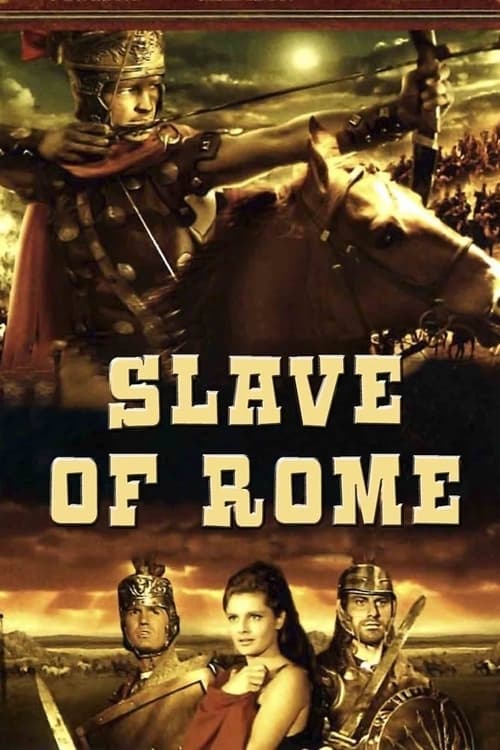
1961
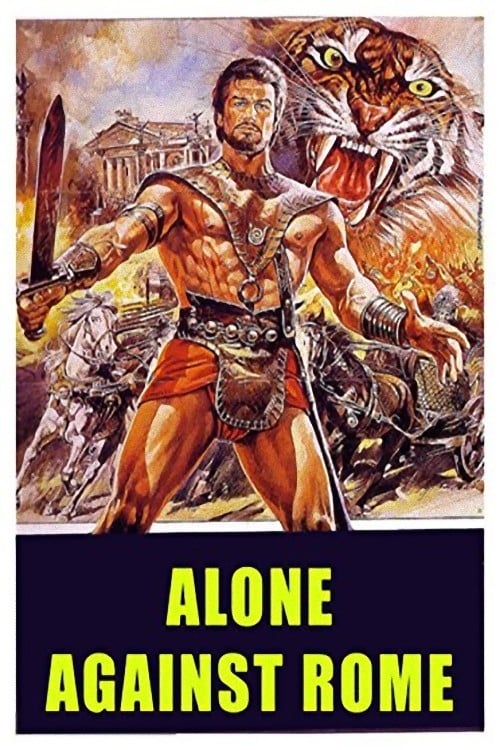
1962
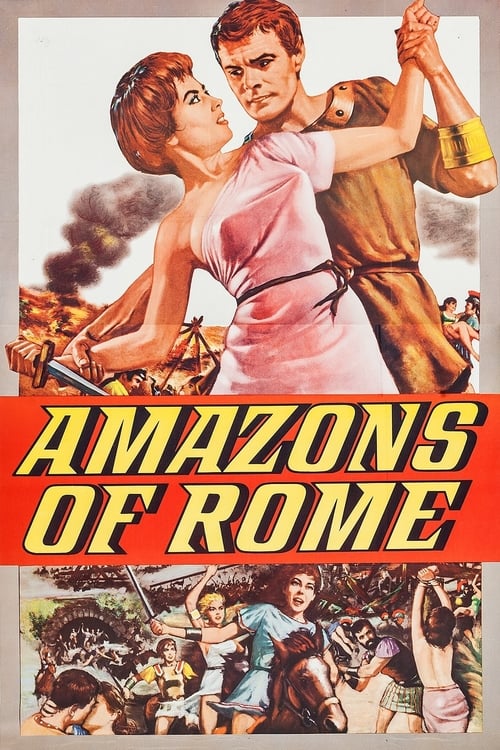
1961
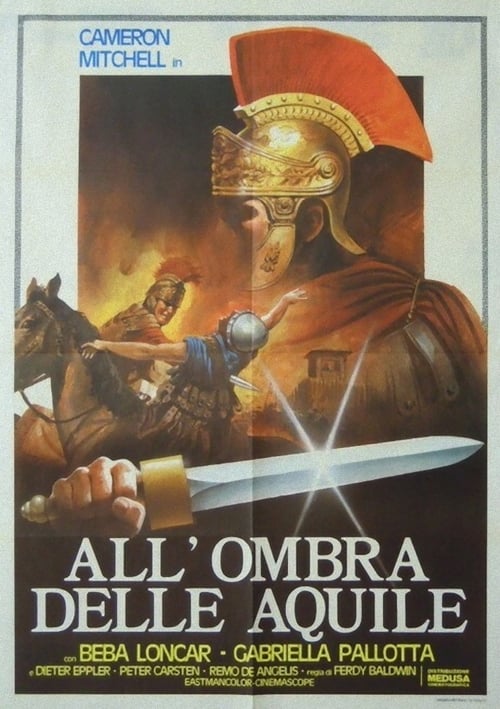
1966
1964
No reviews yet. Be the first to share your thoughts on this movie!
Use the rating form above to leave a star rating and optional review.