
Erbsen auf halb 6
2004
No user ratings available yet
Representation score: 5.8 out of 10
Representation Score
Good
2003
Director
Joe Ma Wai-Ho
Runtime
96 minutes
Average Rating
No ratings yetNew Showbiz Analysis
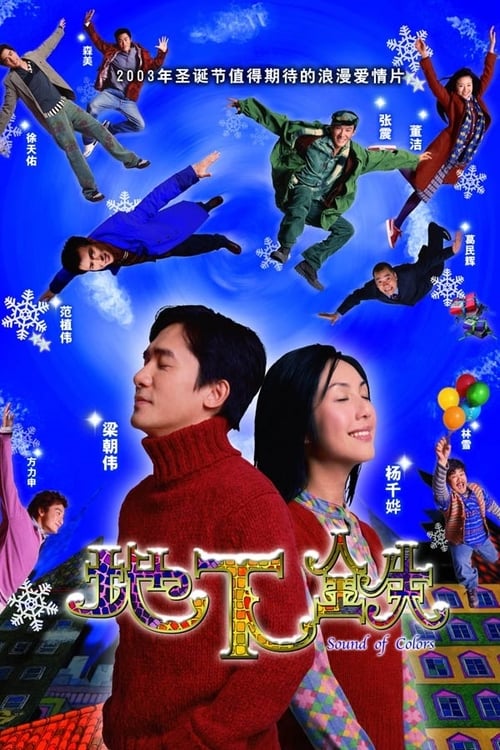
Sound of Colors stands out through its nuanced portrayal of disability. By making the sighted protagonist dependent on the visually impaired Yeuk, the film subverts traditional power dynamics and avoids treating her condition as mere pity. However, the broader narrative remains anchored in conventional romantic clichés. The focus on a heterosexual relationship and traditional emotional milestones keeps the film within standard genre expectations for early 2000s Hong Kong drama. While the film excels in providing meaningful representation of visual impairment, it lacks significant diversity in terms of LGBTQ+ or multi-ethnic representation, reflecting the cultural homogeneity of its production era.
Category Breakdown
The story focuses on a heterosexual romance between Ming and Yeuk. There is no indication of queer relationships or non-cisgender identities.
Yeuk avoids the 'damsel in distress' stereotype by being a highly capable and independent navigator. She provides strength and plays a leading role rather than a submissive one.
The film features a predominantly East Asian, Cantonese-speaking cast. It operates within a culturally homogeneous framework typical of regional Hong Kong cinema from this era.
The narrative leans towards traditional sentimentalism and themes of fate. It emphasizes romantic companionship rather than exploring specific religious or political critiques.
The film offers strong representation by centering a character with visual impairment. Yeuk's disability is a lived reality that informs her competence and autonomy.
Present on Screen
Limited or Absent
Official Synopsis
Ming a marriage consultant who runs into the charming but blind Yeuk through a little help of a guardian angel. The wheel of fortune is set in motion after the lonesome Ming discovers that he is blind one day. Nobody else than Yeuk who is used to make her way through the labyrinth of the metropolis without relying on the power of sight every day becomes Ming's loyal helper. Will Ming's gift of seeing ever return and if so, will he stay together with Yeuk?
2004

2008
1988

2011

2003

2005

2007
2001
No reviews yet. Be the first to share your thoughts on this movie!
Use the rating form above to leave a star rating and optional review.