Life May Be
2014
No user ratings available yet
Representation score: 9.0 out of 10
Representation Score
Fair
2020
Director
Carla Simón, Dominga Sotomayor
Runtime
19 minutes
Average Rating
No ratings yetNew Showbiz Analysis
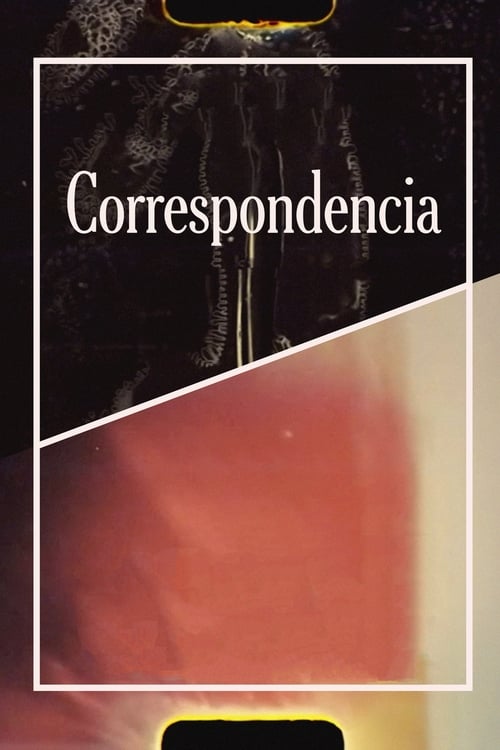
Correspondence is a progressive documentary that excels in its intimate portrayal of queer identity and women's ability to drive the story. By highlighting the emotional and intellectual lives of its female subjects, the film effectively challenges traditional gender roles and coming-of-age stories. However, the film's demographic focus is limited to a specific rural Catalan setting, resulting in a predominantly white cast. This narrow focus on a particular region restricts its broader multicultural representation. Overall, the work is a poetic study of identity that prioritizes personal truth over institutional norms. It succeeds as a localized, nuanced exploration of heritage and maternity, despite its geographically specific scope.
Category Breakdown
The film focuses on the developing romantic relationships between young women, showing authentic experiences rather than relying on stereotypes. This approach highlights real-life interactions and emotions.
The movie emphasizes the role of women through their emotional intelligence and intellectual conversations. It centers on female-driven dialogue and explores themes of motherhood to challenge traditional gender roles.
Set in the rural Pyrenees of Catalonia, the cast is mainly white, reflecting the local population rather than a mix of races. This choice is true to the region’s demographics.
The documentary focuses on human connections and social structures, avoiding religious frameworks. It delves into the complexities of family and cultural heritage, offering a nuanced perspective.
There are no prominent depictions of visible or invisible disabilities that serve as central narrative drivers.
Present on Screen
Limited or Absent
Official Synopsis
In the form of a filmed epistolary conversation, two young, experienced filmmakers discuss film, present and past family, heritage and maternity. The personal and profound reflections—which are embodied in the graceful images taken day-to-day—are suddenly echoed by the political emergency of a country.
2014
2023
2023
2017
2017
2017
2017
2019
No reviews yet. Be the first to share your thoughts on this movie!
Use the rating form above to leave a star rating and optional review.