
If You Love This Planet
1982
No user ratings available yet
Representation score: 8.3 out of 10
Representation Score
Limited
1984
Director
Eric Thiermann, Vivienne Verdon-Roe
Runtime
25 minutes
Average Rating
No ratings yetNew Showbiz Analysis
This documentary disrupts conventional political narratives by centering the perspectives of children. By focusing on those most vulnerable to systemic failure, it shifts the discussion from state-level strategy to human anxiety. The film excels at challenging institutional authority and the status quo of the Cold War era. It uses a child-centric structure to question the morality of global power structures. However, the film's specific demographic makeup regarding race and disability remains unclear. While it addresses psychological vulnerability, it lacks explicit evidence of diverse representation in these specific categories.
Category Breakdown
The documentary focuses on the psychological impact of nuclear threats on children. There is no evidence of specific LGBTQ+ character arcs or identity-driven narratives.
The film prioritizes children's voices, shifting focus away from the male-dominated decision-making typical of military and political leadership.
Specific casting demographics are unconfirmed. The film's sociological approach may or may not address how nuclear fallout affects diverse global populations.
The narrative critiques Western military-industrial complexes and challenges the legitimacy of state-sanctioned violence. It frames youth anxiety as a valid critique of Cold War-era global institutions.
There is no specific evidence regarding the inclusion of neurodivergent or physically disabled children. However, the film touches on themes of psychological distress and existential anxiety.
Present on Screen
Limited or Absent
Official Synopsis
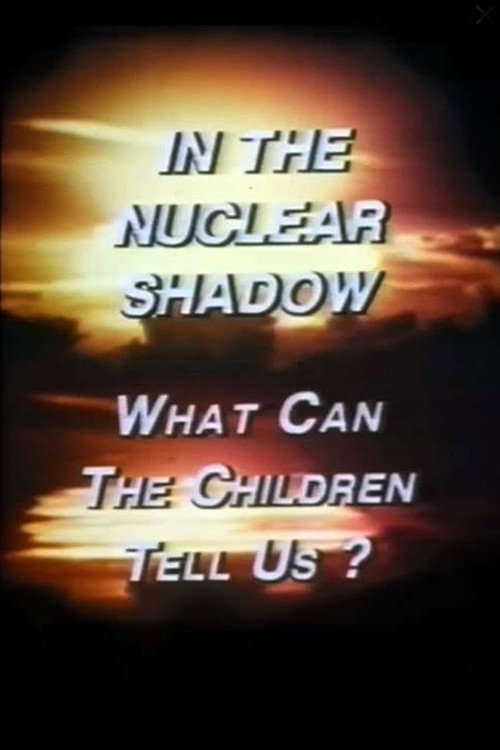
Multiple children are interviewed and asked about their thoughts on the threat of nuclear weapons.
1982

1966

1987

1984

1989

2012

2017

1986
No reviews yet. Be the first to share your thoughts on this movie!
Use the rating form above to leave a star rating and optional review.