La combi asesina
1982
No user ratings available yet
Representation score: 4.6 out of 10
Representation Score
Fair
1987
Director
Jesús Fragoso Montoya
Runtime
87 minutes
Average Rating
No ratings yetNew Showbiz Analysis
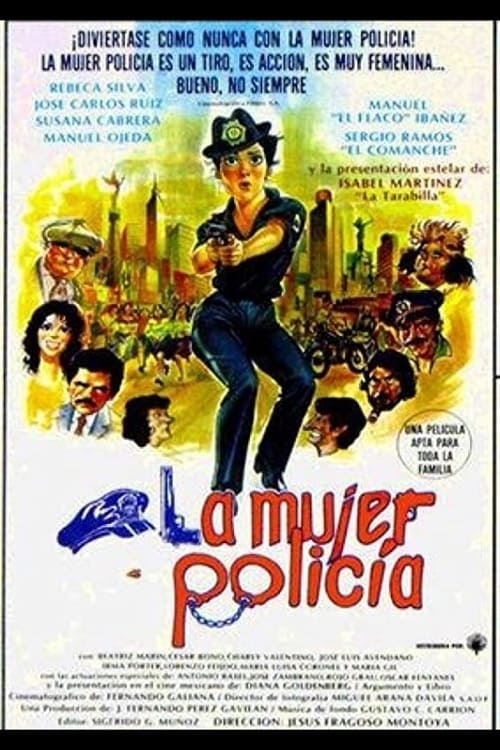
La mujer policía centers a female protagonist in a traditionally male role, offering a baseline of professional authority and ability to act for women in the context of 1980s Mexican cinema. However, the film lacks depth in other areas. It does not depict any LGBTQ+ identities or characters with disabilities, leaving the narrative's multi-layered complexity unexplored. While the film avoids Western-centric casting norms through its Mexican production, it remains a middle-ground entry due to a lack of explicit ideological subversion or diverse character archetypes.
Category Breakdown
The film does not include any explicit LGBTQ+ characters or non-cisgender identities. There is no clear depiction of same-sex relationships or narratives that question the assumption that everyone is straight.
The title suggests a shift from traditional gender roles by placing a woman in a position of institutional authority. The story focuses on a woman's competence in a high-stakes professional setting.
As a Mexican production, the film naturally emphasizes non-Anglo-Saxon identities. It presents a Latin American perspective that diverges from Hollywood standards, although specific multi-layered nuances are not verified.
The film offers a perspective rooted in its national origin. It is unclear whether the story actively challenges social structures or follows traditional institutional norms.
There is no documented evidence of characters with physical, neurodivergent, or mental health disabilities.
Present on Screen
Limited or Absent
Official Synopsis
Mexican feature film
1982
1983

1987
1989

1987
1986
1991
1984
No reviews yet. Be the first to share your thoughts on this movie!
Use the rating form above to leave a star rating and optional review.