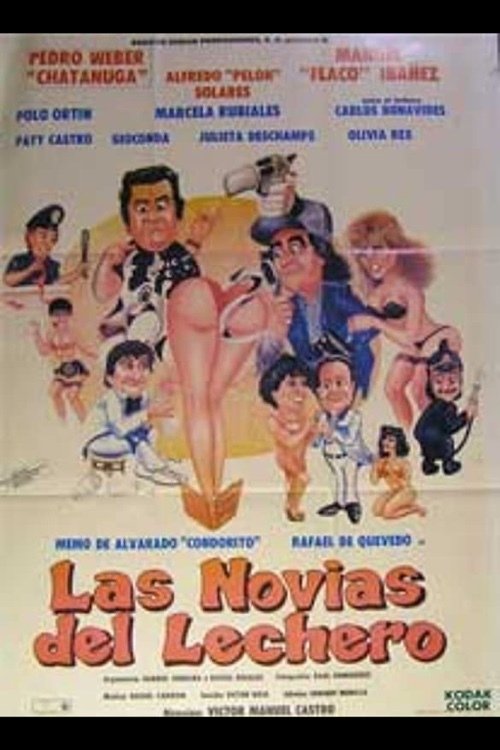
Las novias del lechero
1989
No user ratings available yet
Representation score: 1.9 out of 10
No Poster Available
Representation Score
Limited
1983
Average Rating
No ratings yetNew Showbiz Analysis
Las vedettes is a product of the 1980s Mexican ficheras genre, which centers on urban nightlife and musical comedy. While the film provides a platform for female visibility through its titular performers, the narrative structure often prioritizes the male gaze over complex character development. The film succeeds in presenting a non-white cast, grounding the story in a specific Mexican social reality. However, it lacks the depth or intentionality needed to challenge established social hierarchies or provide meaningful LGBTQ+ representation. Ultimately, the film serves as a period-specific piece of commercial entertainment. It offers visibility within a Latin American context but remains bound by the traditional comedic formulas of its era.
Category Breakdown
The film does not include non-traditional gender identities or stories that question the idea that everyone is straight. It follows the conventions of its time that assume everyone is straight.
Female actors take up important roles visually, providing significant visibility. However, they often serve as objects of the male gaze rather than as active drivers of the story.
The production avoids casting that assumes everyone is white by featuring a predominantly non-white cast. It reflects a specific urban, mixed-race social group typical of Mexican cinema.
The setting focuses on urban escapism and nightlife within a commercial entertainment context. It prioritizes situational humor over deeper critiques of institutions or societal structures.
There is no documented evidence regarding the portrayal of physical or neurodivergent disabilities in this production.
Present on Screen
Limited or Absent
Official Synopsis
Mexican feature film
1989

1983
1982

1988

1987

1985

1984
1982
No reviews yet. Be the first to share your thoughts on this movie!
Use the rating form above to leave a star rating and optional review.